TH
 EN
Dental Implants at 93: Fixed Teeth When a Denture Was Not an Option
Summary: A 93-year-old patient could not wear a removable denture because of large bony growths (tori) in the mouth. Making a denture fit would have meant major bone surgery across the jaw. Instead, the team planned fixed teeth on Neobiotech dental implants using flapless, digitally guided surgery, with a bridge designed to be easy to clean by the patient or a caregiver.
Why a removable denture was not suitable
Older patients are often advised to choose a removable denture because of health conditions, smoking or limited ability to clean their teeth. In some cases, however, the shape of the mouth makes a removable denture impractical.
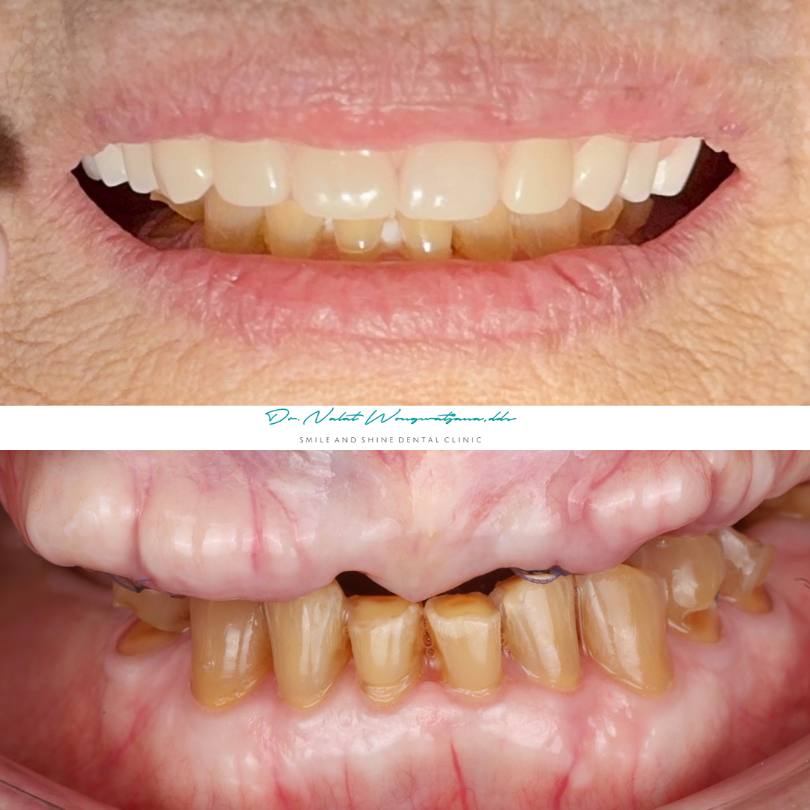
- The patient had multiple large tori (bony growths)
- A removable denture would have required surgery to remove bone along the whole jaw
- That is a major operation with a long recovery and considerable risk for a 93-year-old
The patient was in good general health and well motivated, so the team assessed that implant surgery planned to be as minimally invasive as possible was a more suitable option than major bone surgery.
A treatment plan designed for a 93-year-old
1. A bridge that is easy to clean
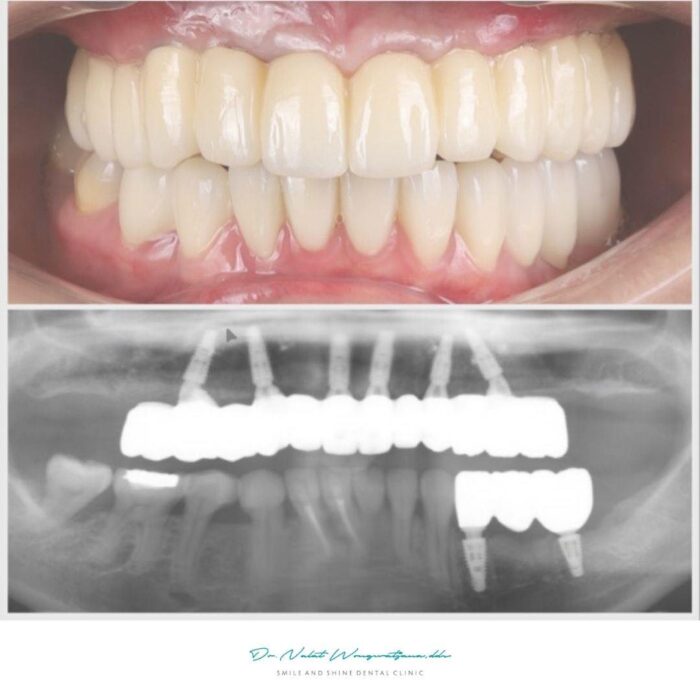
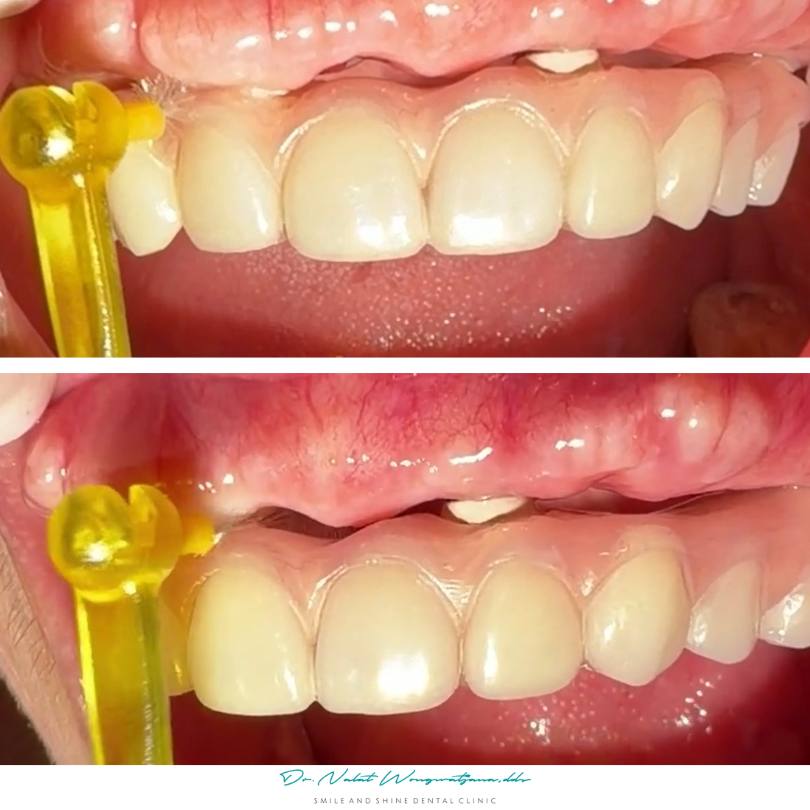
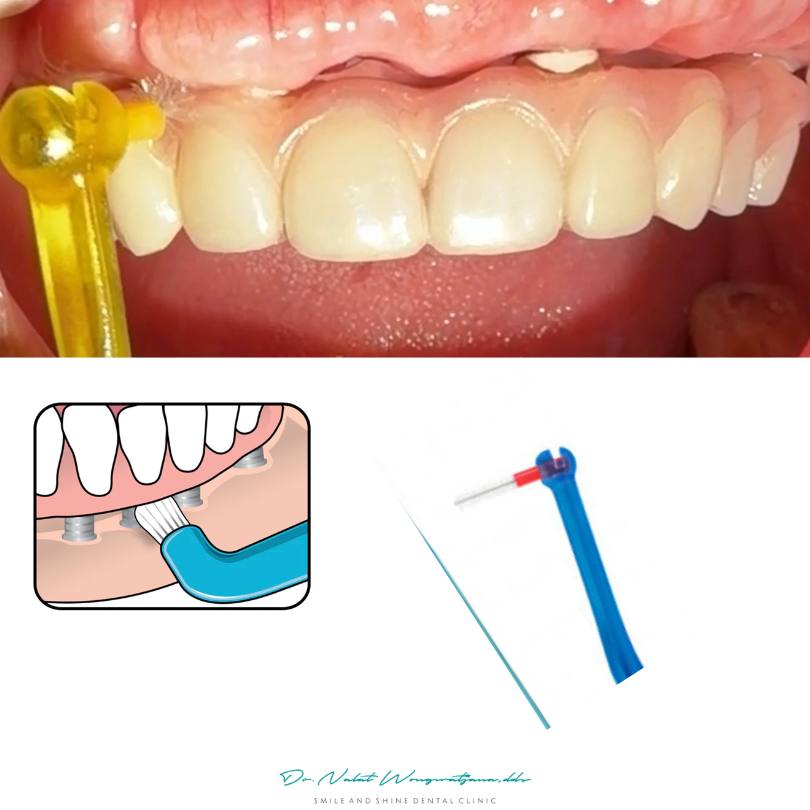
The base of the bridge was designed with open spaces underneath, so an interdental brush or other cleaning aid can reach it easily. This was planned with future caregivers in mind and helps reduce the risk of inflammation over time.
2. Flapless, digitally guided surgery
The surgery was planned with a digital surgical guide so the implants (Neobiotech) could be placed without opening the gum (flapless). This approach can mean:
- a smaller wound and less bleeding
- less local anaesthetic
- less stress for an elderly patient
- a quicker recovery
3. Teeth designed for limited space
Because no bone was removed, the space available for the teeth was limited. Biting forces in very elderly patients are usually lower, so the teeth could be designed to be strong, functional and natural-looking within that space.
4. Photogrammetry instead of traditional impressions
Traditional impressions can be uncomfortable and may trigger gagging. The team used photogrammetry (MicronMapper), which records implant positions with a series of images, so the process was quick, accurate and comfortable.
The result
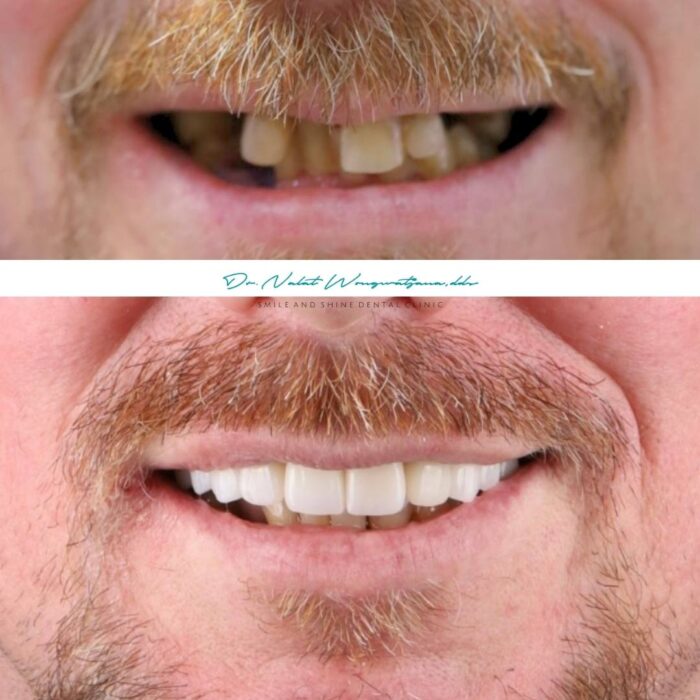
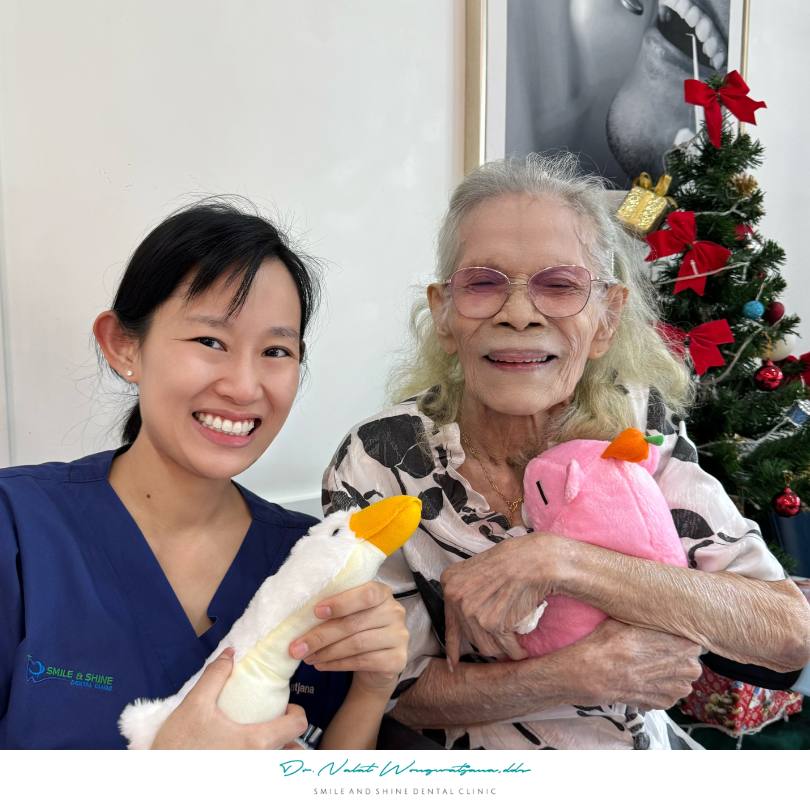
After the fixed teeth were fitted, the patient’s family told the team that she could chew better and was very happy. The aim of the treatment was a better and simpler daily life for the patient, with care planned around safety at her age.
Is age a barrier to dental implants?
Age alone does not decide whether implants are possible. General health, medications, bone quality and the ability to keep the mouth clean matter more. For elderly patients, the treatment plan often focuses on shorter, less invasive surgery and on teeth that are easy to clean. A medical history review and a CBCT scan are the first steps.
Questions about implants for elderly patients
Can people over 90 have dental implants?
Sometimes, yes. This patient was 93. Suitability depends on overall health, medications and bone, and is assessed case by case, sometimes together with the patient’s physician.
What if I take medication for osteoporosis or other conditions?
Some medications affect bone healing, so tell the dentist about every medicine you take. If you are unsure, you can ask the team on LINE before your visit.
How are fixed implant teeth cleaned?
With a toothbrush, interdental brushes or a water flosser under the bridge, and regular professional check-ups. Bridges for elderly patients can be designed with extra space to make this easier for caregivers.
Photos shared with the permission of the patient and family. Treatment results vary from person to person.
About dental implants Ask about your case on LINE