
 TH
TH EN
EN
Key Takeaways
- Chronic bad breath often signals an underlying oral or medical issue.
- Identifying and treating the root cause leads to lasting improvement.
- Consistent hygiene and professional care help prevent recurrence.
Bad breath can do more than make you self-conscious—it can signal something deeper about your health. Everyone experiences temporary odor after certain foods or in the morning, but when it lingers despite brushing and rinsing, it becomes a medical concern known as halitosis. Chronic bad breath often stems from bacteria in the mouth, gum disease, dry mouth, or even underlying health conditions that need attention.
You can take control once you understand what’s causing it. Identifying whether the source is oral, digestive, or related to another condition helps you choose the right treatment. Simple steps like improving oral hygiene, staying hydrated, and addressing dental issues can make a lasting difference, while persistent cases may require professional evaluation.
A doctor’s insight can help you separate myths from facts and find practical solutions that work. With the right approach, you can restore confidence in your breath and improve your overall oral health.
Contents
1. Understanding Halitosis and Chronic Bad Breath
- What Is Halitosis
- How Halitosis Differs from Temporary Bad Breath
- Prevalence and Impact on Daily Life
2. Primary Causes of Chronic Bad Breath
- Oral Hygiene and Plaque Buildup
- Gum Disease and Dental Conditions
- Dry Mouth (Xerostomia) and Saliva Production
- Diet, Tobacco, and Medication Effects
3. Medical and Lifestyle Factors Contributing to Halitosis
Understanding Halitosis and Chronic Bad Breath
Halitosis, or chronic bad breath, often results from bacterial activity in the mouth or underlying medical conditions. Recognizing its causes, distinguishing it from temporary odor, and understanding its effects on daily life can help you take practical steps toward fresher breath and better oral health.
What Is Halitosis
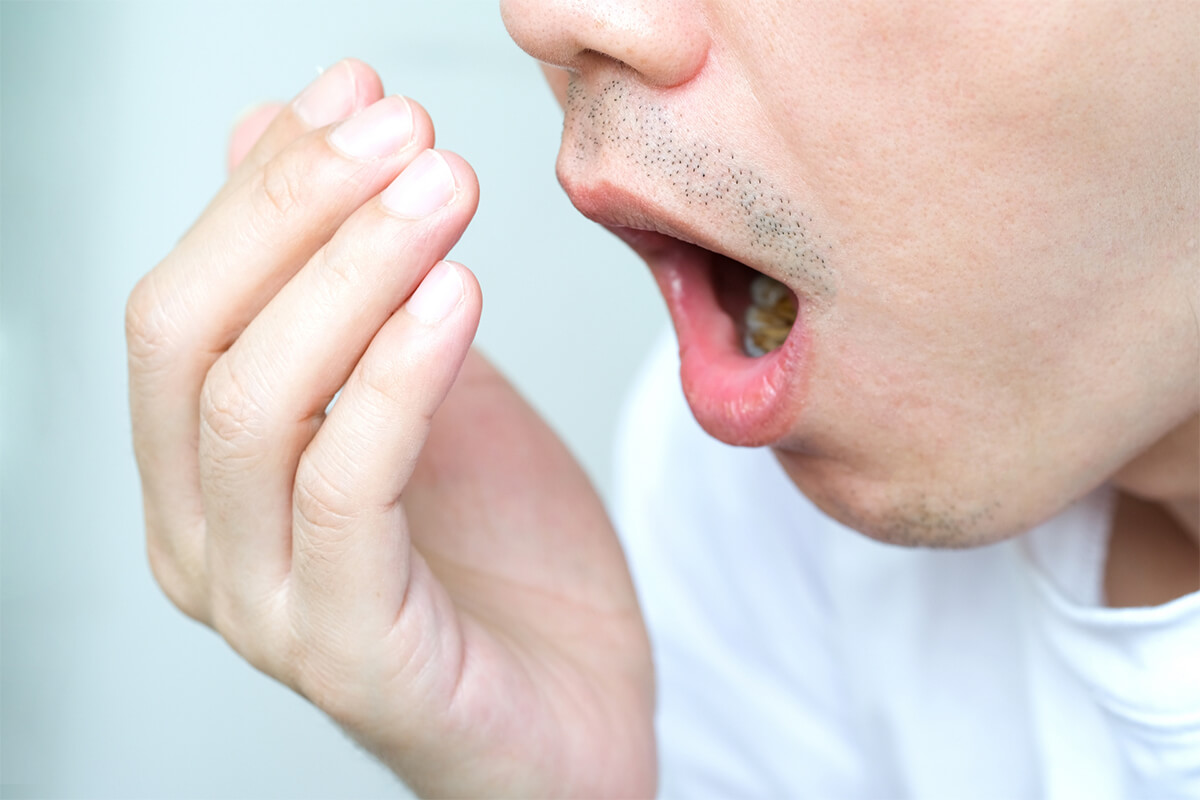
Halitosis is a persistent and unpleasant odor that originates from your mouth or occasionally from other parts of the body. It differs from occasional bad breath by its chronic nature and its link to ongoing biological or medical factors.
In most cases, halitosis develops when anaerobic bacteria on the tongue and gums break down proteins, releasing volatile sulfur compounds (VSCs) that produce a foul smell. Poor oral hygiene, gum disease, or dry mouth can increase these bacterial activities.
Less commonly, halitosis may stem from systemic conditions such as diabetes, liver or kidney disease, or chronic sinus infections. Because it can have multiple sources, identifying whether the cause is oral or extraoral helps guide effective treatment.
How Halitosis Differs from Temporary Bad Breath
Temporary bad breath usually appears after eating strong-smelling foods like garlic or onions, drinking coffee, or skipping brushing. It tends to resolve once you clean your mouth or the food particles are digested.
Chronic halitosis persists even with regular brushing and flossing. It often signals an underlying issue such as plaque buildup, tongue coating, or reduced saliva flow. Unlike short-term odor, it does not disappear with simple mouthwash use.
| Type: Temporary | |
|---|---|
| Duration | Hours |
| Common Causes | Food, smoking, morning dryness |
| Response to Hygiene | Improves quickly |
| Type: Chronic (Halitosis) | |
|---|---|
| Duration | Days to months |
| Common Causes | Bacteria, gum disease, medical conditions |
| Response to Hygiene | Persists until treated |
Recognizing this difference helps you know when to seek dental or medical evaluation.
Prevalence and Impact on Daily Life
Halitosis affects about one in four people at some point, though chronic cases occur in a smaller percentage. Because many individuals are unaware of their own breath odor, the condition may be underreported.
Persistent bad breath can influence social comfort and self-confidence, sometimes leading to anxiety or avoidance of close interactions. You might notice others stepping back or offering mints, which can heighten self-consciousness.
From a clinical perspective, addressing halitosis improves oral health, communication, and quality of life. Proper diagnosis, consistent hygiene, and treatment of underlying causes can restore confidence and reduce the emotional burden associated with chronic bad breath.
Primary Causes of Chronic Bad Breath
Persistent bad breath often develops when bacterial activity in the mouth produces volatile sulfur compounds (VSCs). These gases arise from leftover food debris, gum inflammation, reduced saliva, or certain habits and medical conditions that alter your oral environment.
Oral Hygiene and Plaque Buildup
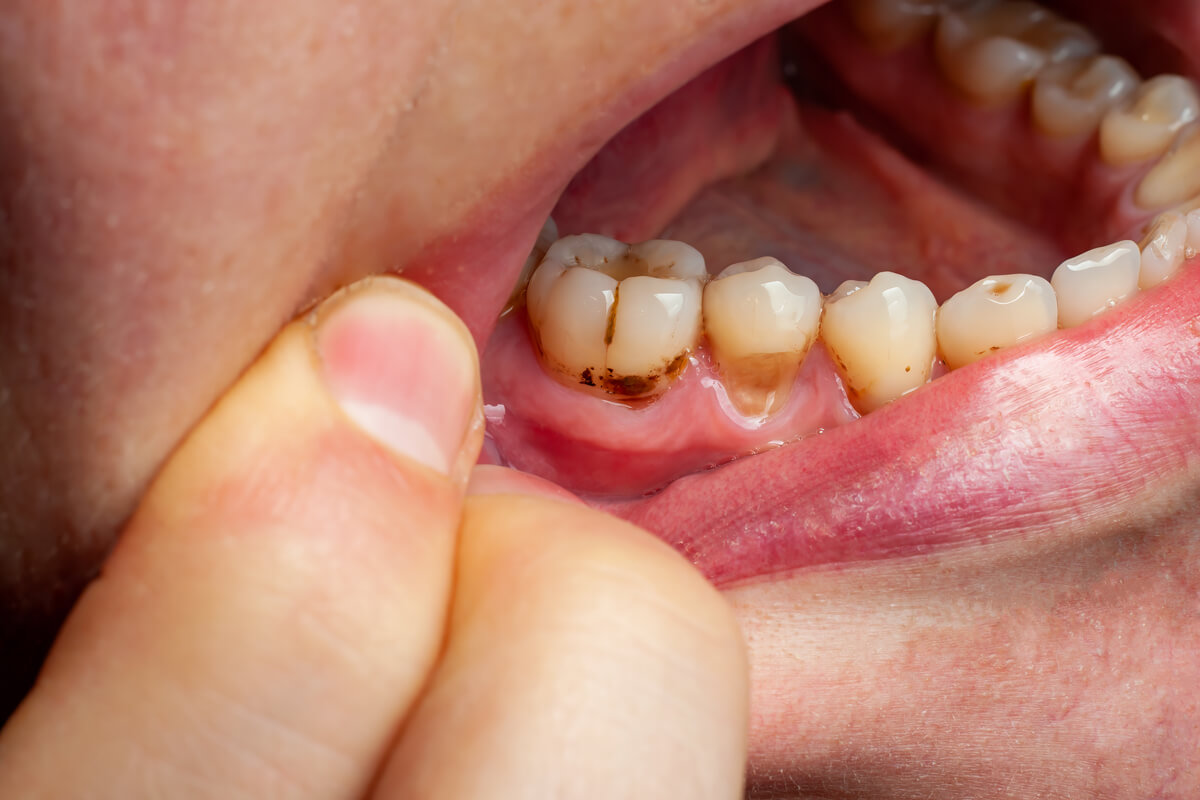
When you skip brushing or flossing, plaque—a sticky bacterial film—accumulates on your teeth and tongue. These bacteria break down food particles and release VSCs that cause unpleasant odors.
Cleaning the tongue dorsum is particularly important because its uneven surface traps bacteria and debris. Using a tongue scraper or brushing the tongue can significantly reduce odor-producing bacteria.
Regular brushing with fluoride toothpaste, daily flossing, and routine dental cleanings help remove plaque before it hardens into tartar, which harbors more bacteria and worsens halitosis.
Gum Disease and Dental Conditions
Gingivitis and periodontitis are major contributors to chronic bad breath. Infected gums form deep pockets that collect bacteria, dead cells, and fluid, producing a strong sulfurous odor.
Untreated tooth decay, abscesses, or poorly fitting dental restorations can trap food and bacteria, allowing odor to persist even with good brushing habits.
Your dentist may recommend scaling and root planing to clean below the gumline, along with antimicrobial rinses to reduce bacterial load and inflammation.
Dry Mouth (Xerostomia) and Saliva Production
Saliva naturally cleanses your mouth by washing away food particles and neutralizing acids. When saliva flow decreases—a condition called xerostomia—bacteria thrive and odors intensify.
Dry mouth can result from dehydration, mouth breathing, or medical conditions like Sjögren’s syndrome. Certain medications such as antihistamines, antidepressants, and diuretics also reduce saliva production.
To relieve dryness, increase water intake, chew sugar-free gum, or use saliva substitutes. Your clinician may adjust medications or suggest products that stimulate salivary glands.
Diet, Tobacco, and Medication Effects
Some foods and habits directly affect breath odor. Onions, garlic, and spicy foods contain sulfur compounds that enter your bloodstream and exit through your lungs. Limiting these foods can reduce transient odors.
Tobacco products dry the mouth, promote gum disease, and leave a lingering smell that routine brushing cannot mask. Quitting tobacco improves both breath and oral health.
Certain medications alter oral chemistry or reduce saliva, indirectly worsening halitosis. Discussing these side effects with your healthcare provider can help identify alternatives or supportive treatments to manage odor.
Medical and Lifestyle Factors Contributing to Halitosis
Bad breath often results from a combination of oral and systemic factors. Certain medical conditions, breathing issues, and oral devices can alter the balance of bacteria in your mouth or affect airflow, leading to persistent odor. Recognizing these influences helps you identify whether the cause is local or linked to an underlying health issue.
Underlying Health Conditions
Some chronic illnesses can change your body’s chemistry and contribute to halitosis. Diabetes, for example, may cause a fruity or acetone-like odor when blood sugar levels are poorly controlled. This occurs because your body produces ketones when it cannot use glucose effectively for energy.
Gastroesophageal reflux disease (GERD) or acid reflux allows stomach acid and partially digested food to reach your throat and mouth. This can leave a sour or metallic taste and cause odor-producing compounds to build up.
Liver or kidney disease may also influence breath odor because waste products that are normally filtered out can accumulate in your bloodstream and be exhaled through your lungs. Regular medical evaluation helps ensure that these conditions are properly managed to reduce odor.
Respiratory and Sinus Issues
Your upper airway plays a key role in how your breath smells. Sinusitis, postnasal drip, and respiratory infections can trap mucus and bacteria in your nasal passages or throat. As this material breaks down, it releases volatile sulfur compounds that cause a foul odor.
If you often breathe through your mouth due to congestion, the reduced saliva flow can dry your mouth and worsen the problem. Saliva naturally helps wash away bacteria and food debris, so maintaining hydration is important.
In chronic cases, treating the infection or inflammation—such as using prescribed antibiotics, nasal irrigation, or allergy management—can significantly improve breath quality.
Dental Appliances and Dentures
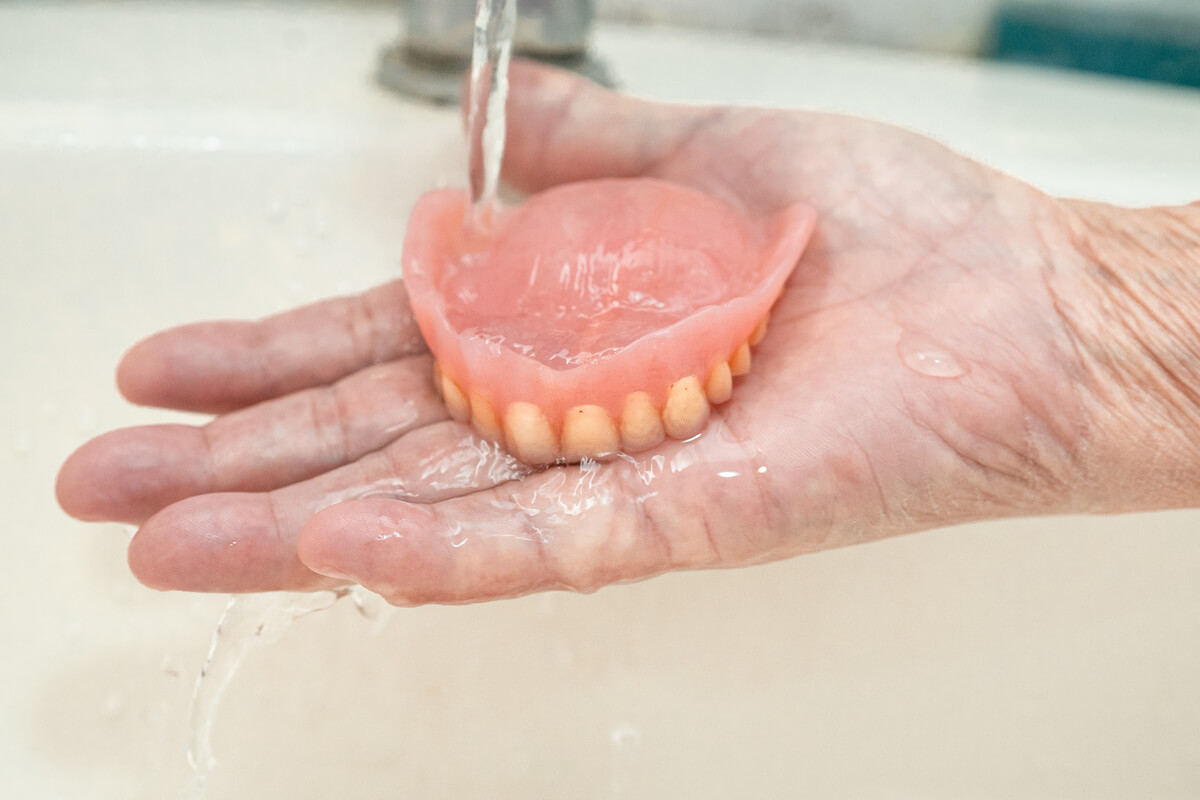
Dental appliances and dentures can harbor bacteria if not cleaned regularly. Food particles and plaque can collect in small crevices, producing odors similar to those caused by gum disease.
A consistent cleaning routine is essential. Remove dentures nightly, brush them with a non-abrasive cleanser, and soak them in an antimicrobial solution.
If you wear orthodontic retainers or mouthguards, rinse them after each use and clean them daily. Proper maintenance prevents bacterial buildup and helps keep your breath fresh and your oral tissues healthy.
Diagnosis and When to Seek Professional Help
Identifying the source of chronic bad breath involves careful assessment of your oral health, lifestyle habits, and possible medical conditions. Diagnosis focuses on confirming whether the odor originates in the mouth or from other body systems so that treatment can target the true cause.

Recognizing Persistent Symptoms
You should pay attention if unpleasant breath persists despite regular brushing, flossing, and mouthwash use. Chronic halitosis often signals an underlying issue such as gum disease, dry mouth, or bacterial buildup on the tongue.
Keep track of when the odor occurs—morning only, after meals, or constantly—as this pattern helps your dentist identify contributing factors. If others notice the smell even after oral hygiene, it may indicate that self-care measures are not enough.
Common symptoms suggesting a deeper cause include:
- A persistent bad taste in the mouth
- Thick tongue coating or dryness
- Bleeding gums or loose teeth
- Frequent sore throat or nasal congestion
Recording these details before your appointment can help your dental professional make an accurate diagnosis.
Dental Check-Ups and Examinations
A dental check-up is the first step toward identifying the source of halitosis. Your dentist will perform a comprehensive oral examination, checking for cavities, gum inflammation, tongue coating, and plaque buildup.
During a professional dental cleaning, hardened deposits (tartar) are removed from teeth and below the gumline. This step reduces bacterial growth that often produces volatile sulfur compounds responsible for bad breath.
Your dentist may also use organoleptic testing (smelling exhaled air) or sulfide monitors to measure odor intensity. These tools help confirm whether the odor is intraoral or possibly systemic.
If gum disease or deep periodontal pockets are found, your dentist might refer you to a periodontist for specialized treatment. Regular dental check-ups—typically every six months—are key to preventing recurrence.
Referral to Medical Specialists
When oral causes are ruled out, your dentist may recommend seeing a medical specialist. Conditions such as sinus infections, gastrointestinal disorders, diabetes, liver disease, or kidney dysfunction can produce similar odors.
An ear, nose, and throat (ENT) specialist can assess nasal or throat infections, while a gastroenterologist may evaluate reflux or digestive issues. If metabolic or systemic conditions are suspected, your primary care physician can order blood tests or imaging studies.
You should also seek medical evaluation if halitosis appears suddenly, worsens rapidly, or accompanies other symptoms like dry mouth, fatigue, or unexplained weight loss. Early referral ensures that serious underlying conditions are not overlooked and that treatment addresses the true source of the problem.
Effective Treatments and Prevention Strategies
You can manage halitosis effectively by maintaining consistent oral hygiene, using targeted dental products, staying hydrated, and making small but meaningful lifestyle changes. A structured approach helps control bacterial growth, reduce volatile sulfur compounds, and support long-term oral health.

Daily Oral Care Routine
A consistent oral care routine prevents the buildup of bacteria that cause unpleasant odors. Brush your teeth at least twice daily using a soft-bristled toothbrush and fluoride toothpaste. Focus on the gumline and back teeth where debris often collects.
Flossing once a day removes food particles and plaque between teeth that brushing alone misses. Clean your tongue using a tongue scraper or the back of your toothbrush to remove bacterial coating that contributes to bad breath.
Replace your toothbrush every three to four months or sooner if the bristles fray. Schedule regular dental checkups for professional cleaning and early detection of gum disease or tooth decay. Consistent care keeps your mouth clean, reduces odor-causing bacteria, and supports overall dental hygiene.
Mouth Rinses and Toothpaste Selection
Choose mouth rinses that target bacteria rather than simply masking odor. Look for products containing chlorhexidine, zinc compounds, or cetylpyridinium chloride, which neutralize volatile sulfur compounds. Avoid alcohol-based rinses if you experience dry mouth, as they can worsen oral dryness.
Use toothpaste with antibacterial or fluoride ingredients to strengthen enamel and reduce plaque. Some formulations include mild whitening agents that help maintain a clean appearance without damaging enamel.
| Ingredient: Fluoride | |
|---|---|
| Primary Benefit | Strengthens enamel and prevents decay |
| Ingredient: Zinc | |
|---|---|
| Primary Benefit | Neutralizes odor compounds |
| Ingredient: Chlorhexidine | |
|---|---|
| Primary Benefit | Reduces bacterial load |
| Ingredient: Stannous fluoride | |
|---|---|
| Primary Benefit | Prevents gum inflammation and odor |
Alternate between antibacterial and fluoride toothpaste if recommended by your dentist. Avoid abrasive whitening pastes that can irritate gums or enamel.
Hydration and Saliva Stimulation
Adequate hydration supports saliva production, which naturally cleans the mouth and neutralizes acids. Drink water regularly throughout the day, especially after meals. Saliva deficiency allows bacteria to thrive and release unpleasant odors.
Chewing sugar-free gum or sucking on xylitol-based lozenges can stimulate saliva flow. These options help maintain moisture without adding sugar that feeds bacteria. Limit caffeine and alcohol intake, as both can dry your mouth.
If you take medications that reduce saliva, discuss alternatives or saliva substitutes with your healthcare provider. Keeping your mouth moist helps prevent the bacterial imbalance that contributes to chronic bad breath.
Lifestyle Modifications for Fresh Breath
Certain habits strongly influence your breath quality. Quit smoking and avoid tobacco products, as they dry the mouth and leave lingering odors. Reduce consumption of foods high in sulfur compounds—such as garlic, onions, and spicy dishes—when possible.
Eat balanced meals and avoid skipping breakfast, since morning eating stimulates saliva and helps clear bacteria accumulated overnight. Include crisp fruits and vegetables like apples and celery, which naturally clean teeth surfaces.
Limit alcohol and high-sugar snacks that encourage bacterial growth. Maintaining a balanced diet, consistent oral care, and routine dental visits all contribute to lasting fresh breath and better overall oral health.