
 TH
TH EN
EN
Key Takeaways
- Cavities form when acids erode tooth enamel and create permanent damage.
- Early symptoms include sensitivity, discoloration, and mild pain.
- Timely dental care and daily hygiene prevent further decay and protect your teeth.
A cavity is a small but progressive form of tooth decay that can quietly damage your enamel before you even notice it. It starts when bacteria in your mouth produce acids that erode the tooth’s surface, creating weak spots that can turn into holes over time. A cavity is permanent damage to your tooth’s hard surface caused by decay, but early detection and treatment can stop it from worsening.
You might notice sensitivity to sweets or temperature changes, or a dull ache that comes and goes. These early signs often mean decay has reached deeper layers of your tooth. Understanding what causes cavities—and how they progress—helps you take control of your oral health before the damage becomes serious.
Your dentist can treat cavities with methods like fluoride therapy, fillings, or root canal treatment, depending on how advanced the decay is. With proper care and prevention, you can protect your teeth and avoid the discomfort and cost of major dental work.
What Is a Cavity
A cavity is a damaged area in your tooth that forms when bacteria, acids, and poor oral hygiene wear down the enamel. It develops gradually and can lead to pain, infection, or tooth loss if untreated. Understanding how cavities form and how they differ from general tooth decay helps you take early action to protect your teeth.
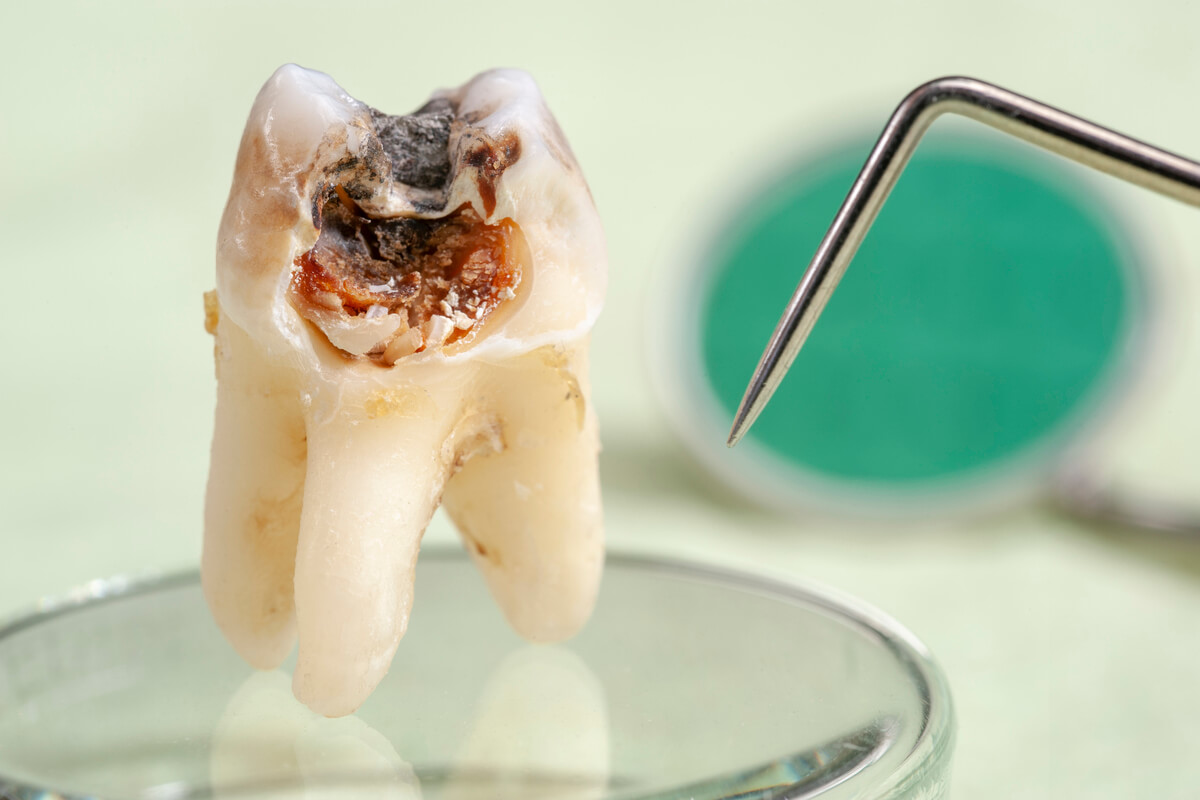
Definition of a Cavity
A cavity is a small hole or structural defect that develops in the hard surface of your tooth. It begins when acids produced by bacteria in plaque dissolve minerals from the enamel.
Once the enamel weakens, the damage can spread deeper into the dentin and pulp layers. This process does not happen overnight but progresses over time, especially when oral hygiene is inconsistent.
Dentists diagnose cavities through visual exams, X-rays, and tactile checks using dental instruments. Early detection allows for simple treatments like fluoride therapy or fillings before more invasive procedures become necessary.
| Tooth Layer: Enamel | |
|---|---|
| Description | Hard outer layer |
| Role in Cavity Formation | First area affected by acid erosion |
| Tooth Layer: Dentin | |
|---|---|
| Description | Softer layer beneath enamel |
| Role in Cavity Formation | Allows decay to spread faster |
| Tooth Layer: Pulp | |
|---|---|
| Description | Inner tissue with nerves and blood vessels |
| Role in Cavity Formation | Becomes infected in advanced decay |
Difference Between Cavities and Tooth Decay
The terms cavity and tooth decay are often used interchangeably, but they describe different stages of the same process. Tooth decay refers to the gradual breakdown of tooth structure caused by bacterial acids, while a cavity is the physical hole that results once that decay has damaged the enamel.
In other words, tooth decay is the process; a cavity is the outcome. You can have early decay without a visible cavity, which is why regular dental checkups are essential.
Preventive care—such as brushing with fluoride toothpaste, flossing daily, and reducing sugar intake—helps stop decay before it turns into a cavity. Once a cavity forms, professional treatment is the only way to restore the tooth’s structure.
Dental Caries Explained
Dental caries is the medical term for both tooth decay and cavities. It describes the disease process caused by the interaction of bacteria, dietary sugars, and tooth enamel over time.
When bacteria feed on sugars, they produce acids that lower the mouth’s pH and dissolve minerals from the enamel. This repeated demineralization weakens the tooth and eventually creates a cavity if the damage is not reversed.
You can slow or stop dental caries by maintaining a balanced diet, using fluoride, and visiting your dentist regularly. These steps restore lost minerals and help protect your enamel from acid attacks that lead to permanent damage.
How Cavities Develop
Cavities form when bacterial acids break down the protective layers of your teeth over time. The process begins with plaque buildup and can progress through the enamel into deeper layers like dentin, eventually leading to pain or infection if not treated promptly.
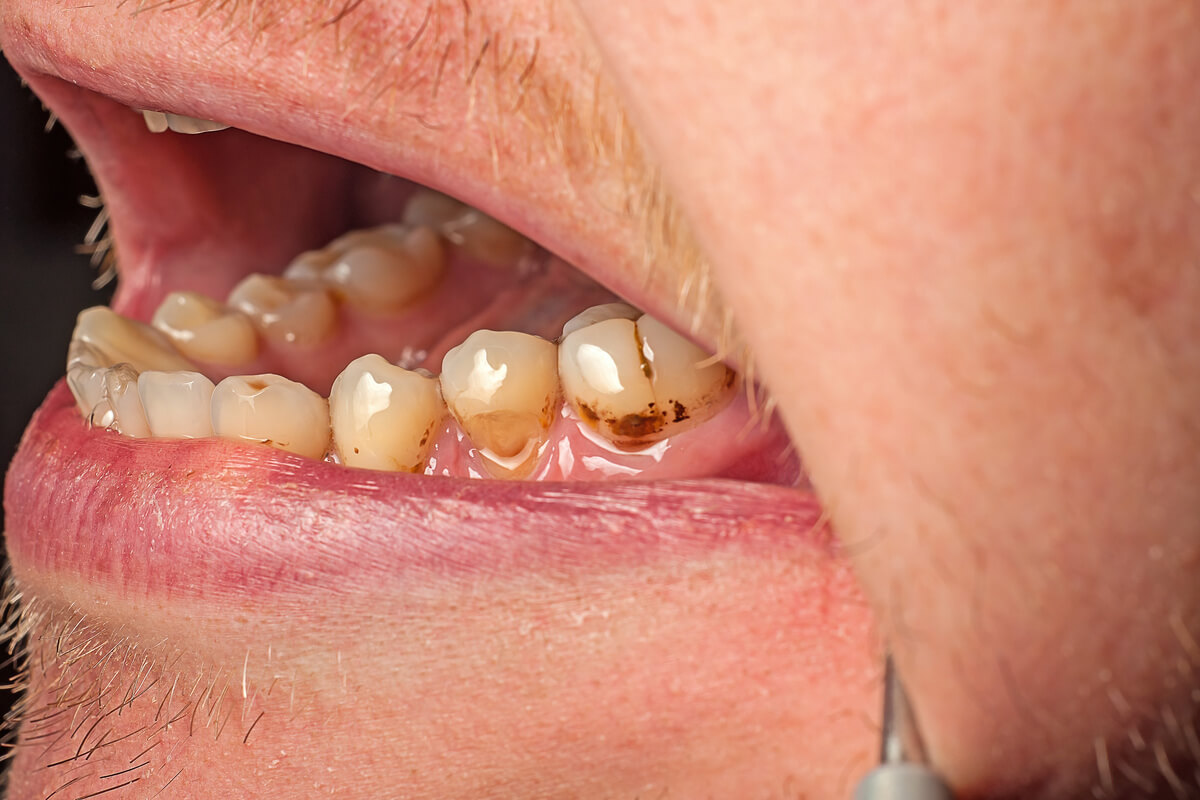
Role of Plaque and Bacteria
Plaque is a soft, sticky film that constantly forms on your teeth. It contains bacteria, food particles, and saliva. When you eat sugary or starchy foods, bacteria—especially Streptococcus mutans—consume these carbohydrates and release acids as byproducts.
These acids lower the pH in your mouth, creating an environment that weakens enamel. Without regular brushing and flossing, plaque hardens into tartar, which makes bacterial buildup more difficult to remove.
Over time, this bacterial activity erodes the minerals in your enamel. The longer plaque remains on your teeth, the more likely it is to cause demineralization and the early development of cavities.
Enamel Erosion and Dentin Involvement
The enamel is the hardest substance in your body, but it is not indestructible. When acids from plaque and acidic foods repeatedly attack the enamel surface, minerals such as calcium and phosphate dissolve. This early loss of minerals is called demineralization.
If you do not restore these minerals through fluoride or saliva, small weak spots form on the enamel. Once the enamel breaks down, the decay reaches the dentin, a softer, more porous layer beneath.
Because dentin contains microscopic tubules that connect to the tooth’s nerve, sensitivity often begins at this stage. You may feel discomfort from hot, cold, or sweet foods as the cavity deepens.
Stages of Cavity Formation
Cavities progress in a series of stages that reflect how far decay has advanced:
| Stage: 1. Demineralization | |
|---|---|
| Description | Early mineral loss in enamel |
| Possible Symptoms | None or faint white spots |
| Stage: 2. Enamel Decay | |
|---|---|
| Description | Surface breakdown begins |
| Possible Symptoms | Mild sensitivity |
| Stage: 3. Dentin Decay | |
|---|---|
| Description | Bacteria reach dentin layer |
| Possible Symptoms | Sharp pain or sensitivity |
| Stage: 4. Pulp Damage | |
|---|---|
| Description | Infection affects nerves |
| Possible Symptoms | Persistent toothache |
| Stage: 5. Abscess | |
|---|---|
| Description | Pus forms at root |
| Possible Symptoms | Swelling, severe pain |
Recognizing these stages helps you understand when professional care is needed to stop further damage and preserve your natural tooth structure.
Symptoms and Warning Signs
Cavities often begin quietly, showing only mild discomfort or subtle changes in how your teeth look and feel. Paying attention to early signs such as pain, sensitivity, discoloration, or unusual taste can help you identify decay before it causes more serious damage.

Toothache and Tooth Sensitivity
A toothache is one of the most common indicators of a cavity. You might feel a dull ache or sharp pain that appears when chewing or even when the tooth is at rest. The pain usually comes from decay reaching the dentin layer, where tiny nerve endings become irritated.
Tooth sensitivity often develops when enamel weakens and exposes the dentin. You may notice discomfort when eating hot, cold, or sweet foods. This reaction happens because temperature changes reach the nerves through microscopic openings in the enamel.
If sensitivity or pain lingers after you stop eating or drinking, it’s a sign that decay may be progressing. Using fluoride toothpaste and visiting your dentist promptly can help prevent further damage.
| Symptom: Sharp pain when chewing | |
|---|---|
| Possible Cause | Deep decay or crack |
| When to Act | See a dentist soon |
| Symptom: Sensitivity to cold or sweet foods | |
|---|---|
| Possible Cause | Early enamel erosion |
| When to Act | Schedule a check-up |
Visible Holes and Discoloration
As cavities advance, they become visible on the tooth surface. You may see white, brown, or black spots, which indicate stages of enamel breakdown. White spots often mark early demineralization, while darker areas suggest deeper decay.
Small holes or pits can also develop. These are physical signs that bacteria have eroded the enamel and dentin. You might feel these rough spots with your tongue or notice food getting trapped more easily.
Monitoring tooth color and texture helps you catch decay early. Regular dental exams allow your dentist to detect and treat small cavities before they require more extensive procedures like fillings or crowns.
Bad Breath and Taste Changes
Persistent bad breath (halitosis) may occur when bacteria multiply inside a decayed area. These bacteria release sulfur compounds that create an unpleasant odor. Even with consistent brushing, the smell can linger if decay remains untreated.
You might also notice a metallic or bitter taste in your mouth. This happens when infection or bacterial buildup affects saliva composition.
If bad breath or taste changes persist despite good oral hygiene, it could mean a cavity has progressed or an infection has formed. A professional cleaning or cavity treatment can remove the source and restore freshness to your breath.
Diagnosis and Dental Evaluation
Dentists identify cavities using a combination of visual inspection, tactile assessment, and imaging tools. Accurate diagnosis helps detect early decay, determine its depth, and rule out other dental problems that may cause similar symptoms.
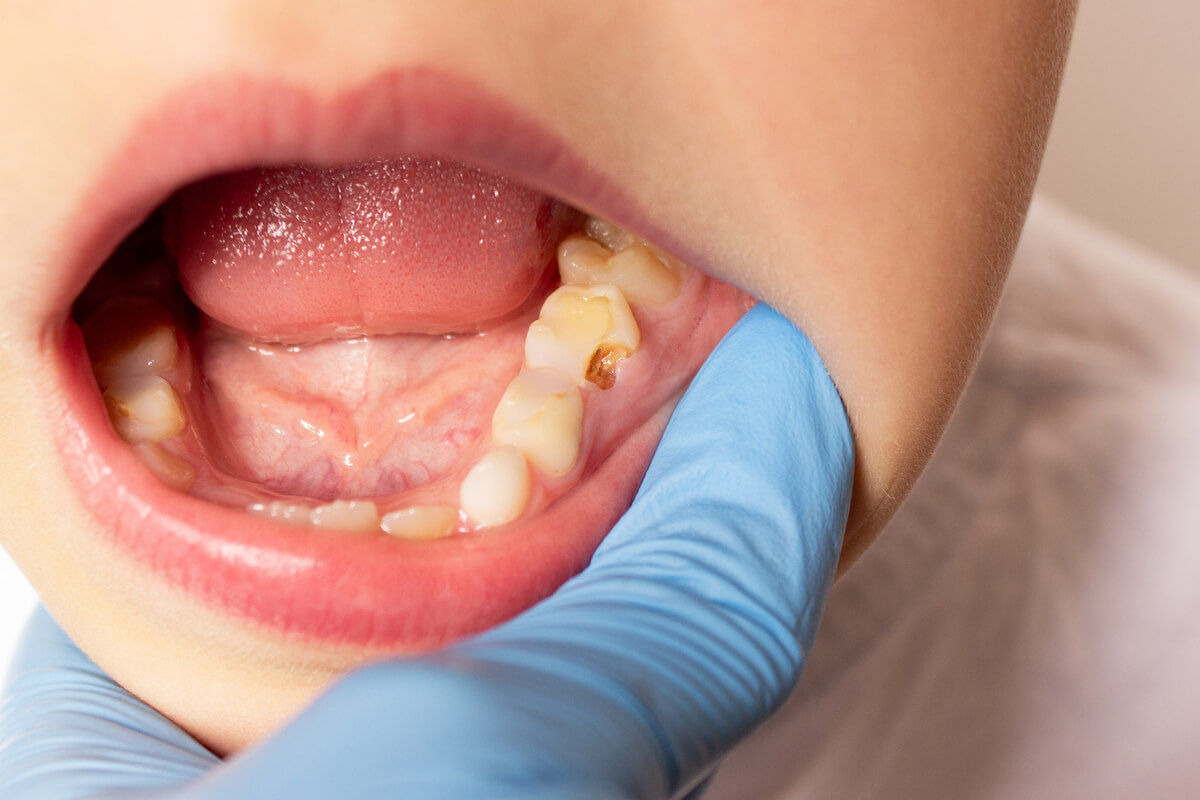
Clinical Examination by a Dentist
During a dental check-up, your dentist first performs a visual inspection of your teeth and gums. They look for discoloration, white spots, or visible holes that may indicate enamel breakdown.
A small mirror and an explorer—a pointed dental instrument—help detect softened enamel or rough surfaces. The dentist may gently probe suspicious areas to check for sensitivity or structural weakness.
Plaque buildup, gum inflammation, and tooth alignment are also evaluated because these factors can influence cavity formation. Regular examinations every six months allow your dentist to catch early signs of decay before it progresses.
If needed, your dentist may apply a dye or laser fluorescence test to highlight demineralized areas. These tools make it easier to identify early lesions that are not yet visible to the naked eye.
Dental X-Rays
Dental X-rays (radiographs) provide detailed images of the inner structures of your teeth. They help your dentist find cavities hidden between teeth or beneath the enamel surface, where visual inspection alone cannot reach.
Common types include bitewing X-rays, which show the crowns of upper and lower teeth, and periapical X-rays, which capture the entire tooth from crown to root. These images reveal the extent of decay and whether it has reached the dentin or pulp.
Digital X-rays use lower radiation levels than traditional film and produce images instantly. Your dentist reviews these images on a monitor, often pointing out darkened areas that represent decay.
By combining X-ray results with clinical findings, your dentist can plan treatment precisely and avoid unnecessary procedures.
Differentiating from Other Dental Problems
Tooth pain or sensitivity does not always mean you have a cavity. Your dentist must distinguish decay from other dental problems such as enamel erosion, cracked teeth, or gum recession.
They assess the location, duration, and type of discomfort you describe. For example, sharp pain when biting may indicate a fracture, while lingering sensitivity to cold often points to deep decay.
A table like the one below helps clarify how dentists differentiate conditions:
| Symptom Type: Localized cold sensitivity | |
|---|---|
| Possible Cause | Early cavity |
| Diagnostic Tool | Visual exam, fluoride test |
| Symptom Type: Sharp biting pain | |
|---|---|
| Possible Cause | Cracked tooth |
| Diagnostic Tool | Transillumination, X-ray |
| Symptom Type: Gum tenderness | |
|---|---|
| Possible Cause | Gingivitis |
| Diagnostic Tool | Periodontal exam |
Accurate differentiation ensures you receive the right treatment—whether it’s a filling, root canal, or gum therapy—without unnecessary interventions.
Treatment Options for Cavities
Cavity treatment depends on how far decay has progressed and how much of the tooth structure remains intact. Early detection allows for simple, noninvasive care, while advanced decay may require restorative or surgical procedures to preserve your oral health.
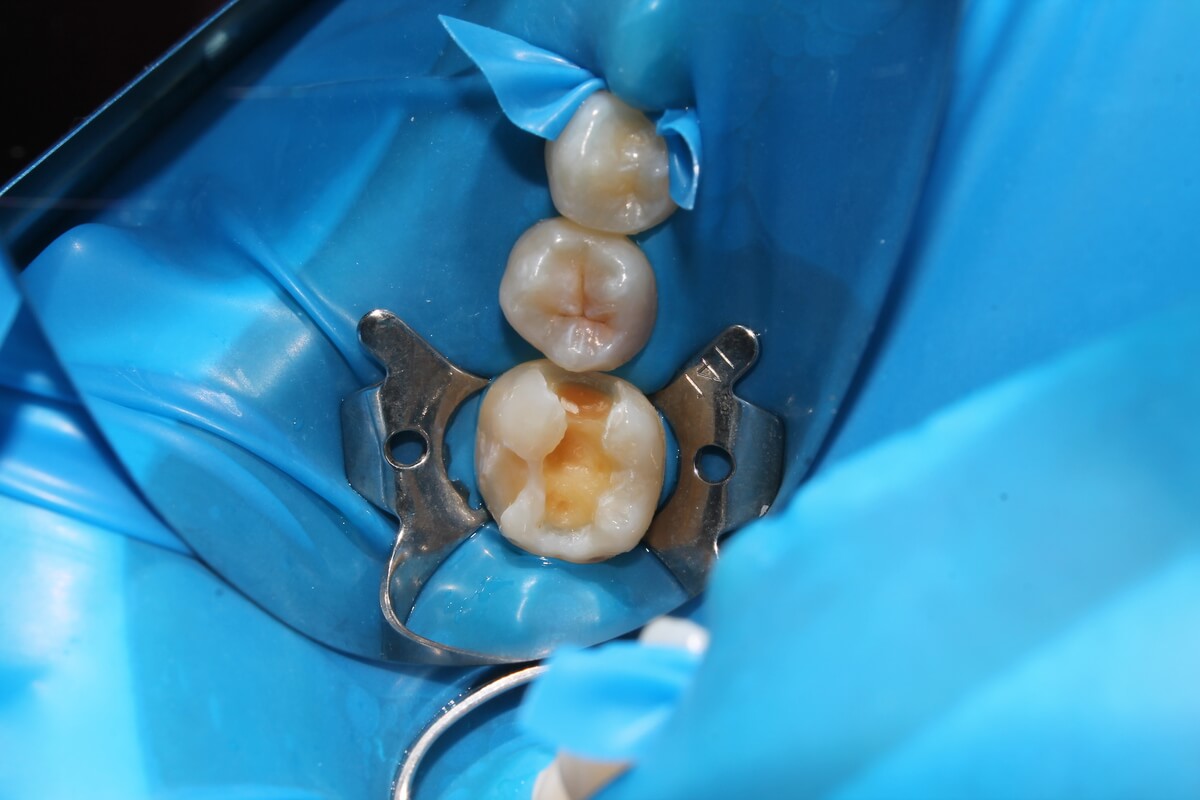
Fluoride Treatments and Early Intervention
When a cavity is in its earliest stage, fluoride treatments can help remineralize weakened enamel. Fluoride strengthens the outer layer of your teeth by replacing lost minerals and making enamel more resistant to acid damage.
Your dentist may apply a professional fluoride gel, varnish, or foam that contains a higher concentration than store-bought toothpaste or mouthwash. These treatments can reverse very small areas of decay before a cavity forms.
At home, maintaining good dental care habits supports this process. Brush twice daily with fluoride toothpaste, floss once a day, and limit sugary foods that feed bacteria. Regular checkups allow your dentist to spot early enamel changes and apply fluoride as needed.
If enamel loss continues despite preventive care, your dentist may recommend a sealant or a small filling to stop further decay. Acting early can help you avoid more extensive procedures later.
Fillings and Restorative Procedures
Once decay creates a hole in the enamel, a filling becomes necessary to restore the tooth’s structure and prevent bacteria from spreading. Your dentist removes the decayed portion and fills the space with a durable material.
Common filling materials include:
| Material: Composite resin | |
|---|---|
| Features | Tooth-colored, blends naturally |
| Durability | Moderate |
| Material: Amalgam | |
|---|---|
| Features | Strong, cost-effective |
| Durability | High |
| Material: Porcelain or gold | |
|---|---|
| Features | Long-lasting, stain-resistant |
| Durability | Very high |
Choosing the right filling depends on the tooth’s location, your budget, and cosmetic preferences.
In more extensive cases, your dentist might recommend inlays, onlays, or crowns. These restorations cover larger damaged areas and reinforce the tooth. Regular dental care and follow-up visits help ensure the repair remains secure and functional.
Root Canal Therapy and Tooth Extraction
If decay reaches the pulp—the inner tissue containing nerves and blood vessels—you may need a root canal. This procedure removes infected tissue, cleans the canal, and seals it to prevent reinfection. A crown usually follows to strengthen the tooth.
Root canal therapy allows you to keep your natural tooth and maintain normal bite function. It also relieves pain caused by inflammation or infection.
When a tooth is too damaged to restore, tooth extraction becomes necessary. After extraction, your dentist may suggest a dental implant, bridge, or partial denture to replace the missing tooth and preserve jaw alignment.
Prompt treatment of deep decay reduces complications and helps you maintain a healthy, functional smile.
Prevention and Long-Term Oral Health
You can prevent cavities and protect your teeth by combining daily cleaning habits, smart food and drink choices, and regular dental care. Consistent attention to your oral health reduces the risk of gum disease, tooth loss, and other common dental problems.
Oral Hygiene Best Practices
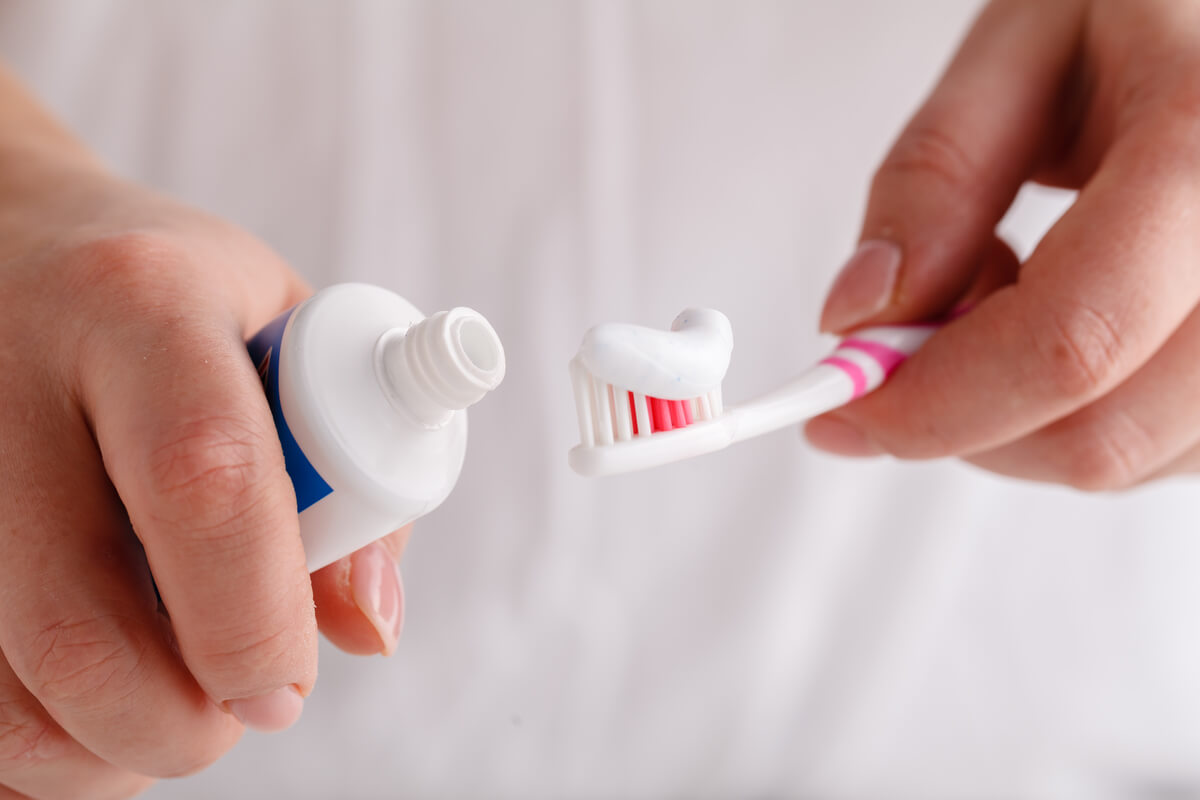
Brush your teeth twice a day using fluoride toothpaste and a soft-bristled toothbrush. Fluoride strengthens enamel and helps reverse early signs of decay. Brush for at least two minutes and reach all surfaces, including along the gumline.
Floss once a day to remove plaque and food particles between teeth. Rinsing with an antiseptic or fluoride mouthwash can further reduce bacteria.
Replace your toothbrush every three to four months or sooner if bristles fray. If you wear braces or have receding gums, use interdental brushes or floss threaders to clean hard-to-reach areas.
| Routine: Brushing | |
|---|---|
| Frequency | Twice daily |
| Purpose | Removes plaque, strengthens enamel |
| Routine: Flossing | |
|---|---|
| Frequency | Daily |
| Purpose | Cleans between teeth |
| Routine: Mouthwash | |
|---|---|
| Frequency | Daily |
| Purpose | Reduces bacteria and freshens breath |
Dietary Choices and Fluoride Use
A healthy diet supports strong teeth and gums. Limit sugary foods and acidic drinks, which feed bacteria that cause decay. Choose water, milk, and unsweetened beverages instead of soda or juice.
Include foods rich in calcium, such as dairy products, leafy greens, and fortified plant milks, to help maintain enamel strength. Chewing sugar-free gum after meals can increase saliva, which neutralizes acid and reduces dry mouth.
Drink fluoridated water when available. Fluoride binds with enamel to make it more resistant to acid attacks. If your water supply lacks fluoride, your dentist may recommend professional fluoride treatments or prescription toothpaste.
Managing Risk Factors and Regular Dental Visits
Certain conditions increase your risk for cavities, including poor oral hygiene, gum disease, and dry mouth caused by medications or aging. Managing these factors helps you prevent cavities and maintain long-term oral health.
Schedule dental checkups at least once a year. Professional cleanings remove hardened plaque and allow dentists to detect early decay or gum recession before it worsens.
If you have frequent cavities or receding gums, your dentist may suggest sealants, fluoride varnish, or saliva substitutes. Regular care ensures small problems are treated early, reducing the chance of pain or tooth loss later.