
 TH
TH EN
EN
Key Takeaways
- Gum recession exposes tooth roots and increases sensitivity.
- Professional care and good daily habits slow or stop progression.
- Early attention helps maintain long-term gum and tooth health.
Gum recession can sneak up slowly, often showing as longer-looking teeth or increased sensitivity to hot and cold. You might brush carefully and still notice your gums pulling back. Gum recession happens when the gum tissue around your teeth wears away or pulls back, exposing the roots and making your teeth more vulnerable to decay and sensitivity.
You can take steps to protect your gums and stop further damage. Gentle brushing, regular dental checkups, and avoiding tobacco all play a role in keeping your gums healthy. When needed, your dentist can recommend treatments like deep cleaning, bonding, or gum grafting to restore comfort and protect your teeth.
Understanding what causes gum recession helps you act early and maintain strong, healthy gums for life. With the right care and attention, you can manage the condition and prevent it from getting worse.
Contents
1. Understanding Gum Recession
- Gum Disease and Plaque Buildup
- Aggressive Brushing and Improper Oral Care
- Tobacco Use and Smoking
- Genetic and Hormonal Influences
3. Recognizing Signs and Symptoms
Understanding Gum Recession
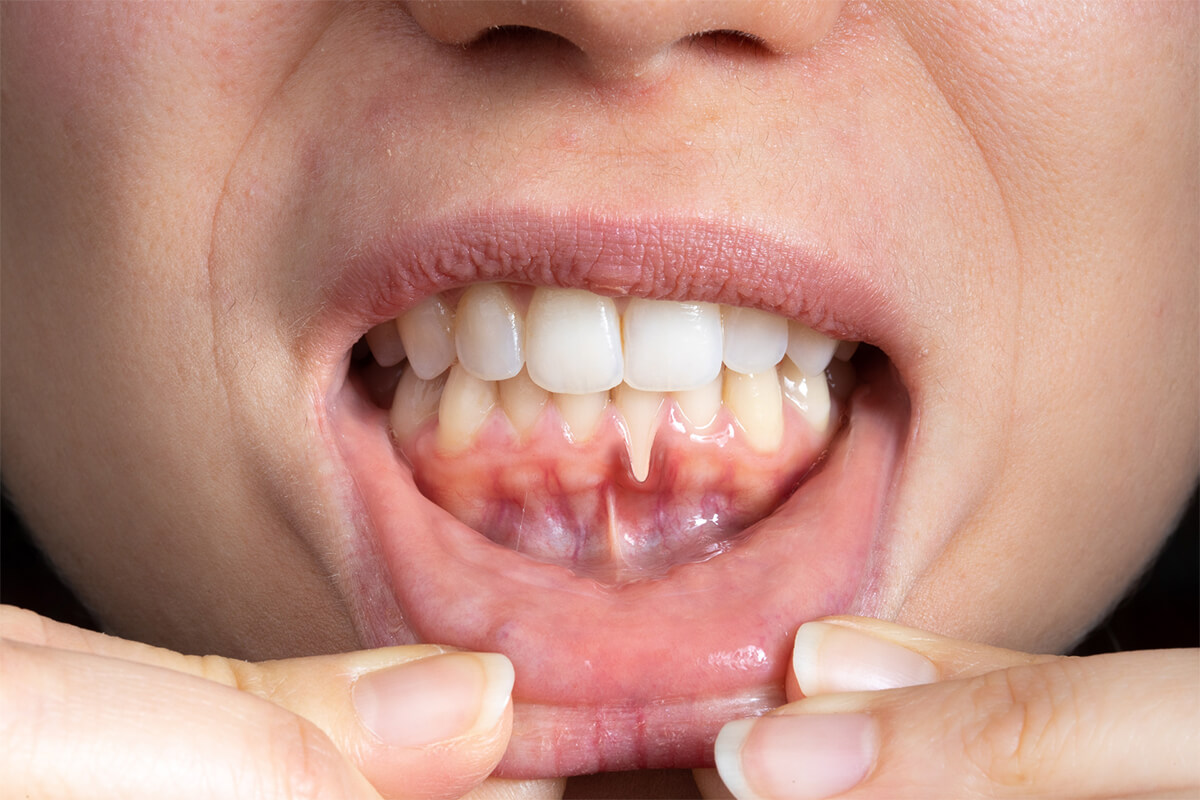
Gum recession exposes the roots of your teeth, often leading to sensitivity, discomfort, and a higher risk of decay. It develops gradually and can affect the stability of your teeth and the long-term health of your gums.
What Is Gum Recession
Gum recession occurs when your gum tissue pulls away from the surface of your teeth. This exposes the tooth roots, which are normally protected by gum and bone. The condition can affect one or several teeth and often progresses slowly, making early detection important.
Common causes include:
- Aggressive brushing that wears away gum tissue
- Periodontal (gum) disease caused by bacterial infection
- Tobacco use or poor oral hygiene
- Genetic factors that influence gum thickness or strength
- Misaligned teeth or teeth grinding that put pressure on the gums
You may notice longer-looking teeth, visible roots, or mild tooth sensitivity to hot or cold. Because gum tissue doesn’t grow back on its own, professional care is essential to manage the condition and prevent further loss.
How Gum Recession Affects Oral Health
When gums recede, the exposed roots become more vulnerable to decay, plaque buildup, and wear. The cementum covering the roots is softer than enamel, so it erodes more easily. This can lead to tooth sensitivity and discomfort during brushing or eating.
Untreated gum recession may result in bone loss around the affected teeth, weakening their foundation. Over time, this increases the risk of tooth mobility or even tooth loss.
Maintaining your oral health involves consistent brushing with a soft-bristled toothbrush, regular dental cleanings, and early treatment of gum disease. Addressing receding gums promptly helps protect your teeth and supports a stable, healthy smile throughout your oral health journey.
Causes and Risk Factors
Gum recession develops when the tissue surrounding your teeth gradually wears away or pulls back, exposing more of the tooth root. It often results from a combination of bacterial infection, mechanical irritation, and biological susceptibility. Understanding these factors helps you protect your gums before permanent damage occurs.
Gum Disease and Plaque Buildup
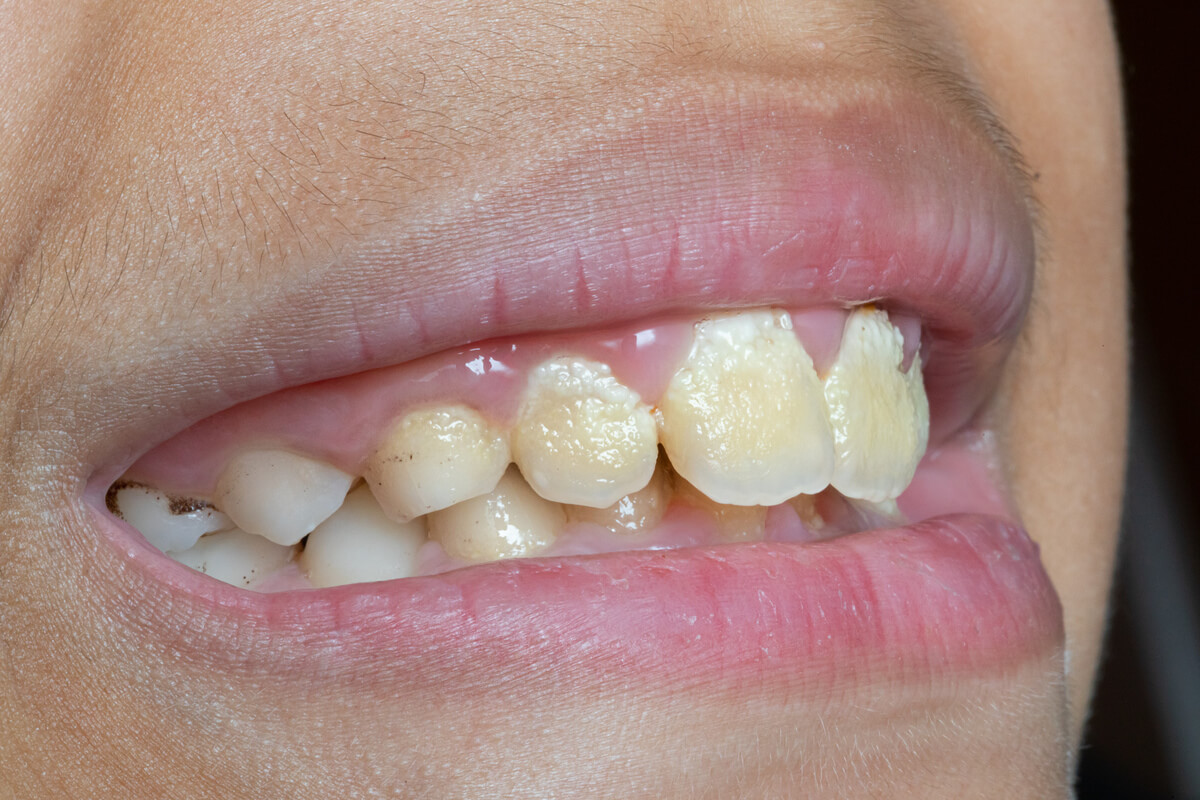
Plaque is a sticky film of bacteria that forms on your teeth every day. When it isn’t removed through brushing and flossing, it hardens into tartar, which can only be removed by a dental professional. Both plaque and tartar irritate your gums and trigger inflammation.
This inflammation can progress into periodontal disease, where bacteria attack the tissues and bone supporting your teeth. As the infection advances, the gum tissue detaches, creating pockets that deepen over time. These pockets make cleaning more difficult, allowing more bacteria to accumulate.
If left untreated, periodontal disease becomes the leading cause of gum recession. Regular cleanings, professional scaling, and consistent oral hygiene habits are essential to control plaque buildup and protect your gums.
Aggressive Brushing and Improper Oral Care
Brushing too hard or using a toothbrush with stiff bristles can wear down your enamel and push gum tissue away from your teeth. The motion and pressure can also cause microscopic abrasions along the gumline.
Improper brushing technique—such as scrubbing side to side instead of gently angling the brush toward the gumline—can worsen the problem. Over time, this leads to mechanical trauma that exposes the roots and increases sensitivity.
To prevent this, use a soft-bristled toothbrush and light pressure. Electric toothbrushes with pressure sensors can help you maintain proper force. Pairing gentle brushing with daily flossing and routine cleanings supports gum health without causing damage.
Tobacco Use and Smoking
Tobacco use, including cigarettes, cigars, and chewing tobacco, significantly increases your risk of gum recession. Nicotine restricts blood flow to the gums, limiting the delivery of oxygen and nutrients needed for tissue repair.
Smoking also weakens your immune response, making it harder for your body to fight off bacterial infections like periodontal disease. As a result, plaque and tartar accumulate more quickly, and gum tissue heals more slowly after irritation.
People who smoke often notice more severe gum inflammation and deeper pockets around teeth. Quitting tobacco use can improve circulation, reduce bacterial buildup, and slow the progression of gum recession.
Genetic and Hormonal Influences
Your genetic makeup can make you more prone to gum recession even with good oral hygiene. Some people naturally have thinner or more delicate gum tissue, which is more likely to recede when exposed to irritation or inflammation.
Hormonal changes—such as those occurring during puberty, pregnancy, or menopause—can also increase gum sensitivity and inflammation. Elevated hormone levels may cause your gums to react more strongly to plaque, leading to swelling and bleeding.
Other inherited factors, including misaligned teeth or a tendency toward teeth grinding (bruxism), can place uneven pressure on your gums. Identifying these risk factors early allows your dentist to recommend targeted preventive care, such as orthodontic correction or protective mouthguards.
Recognizing Signs and Symptoms
Gum recession often develops gradually, making early detection important for protecting your teeth and gums. You may first notice subtle changes in your gumline or sensitivity before more visible and uncomfortable symptoms appear.
Early Warning Signs
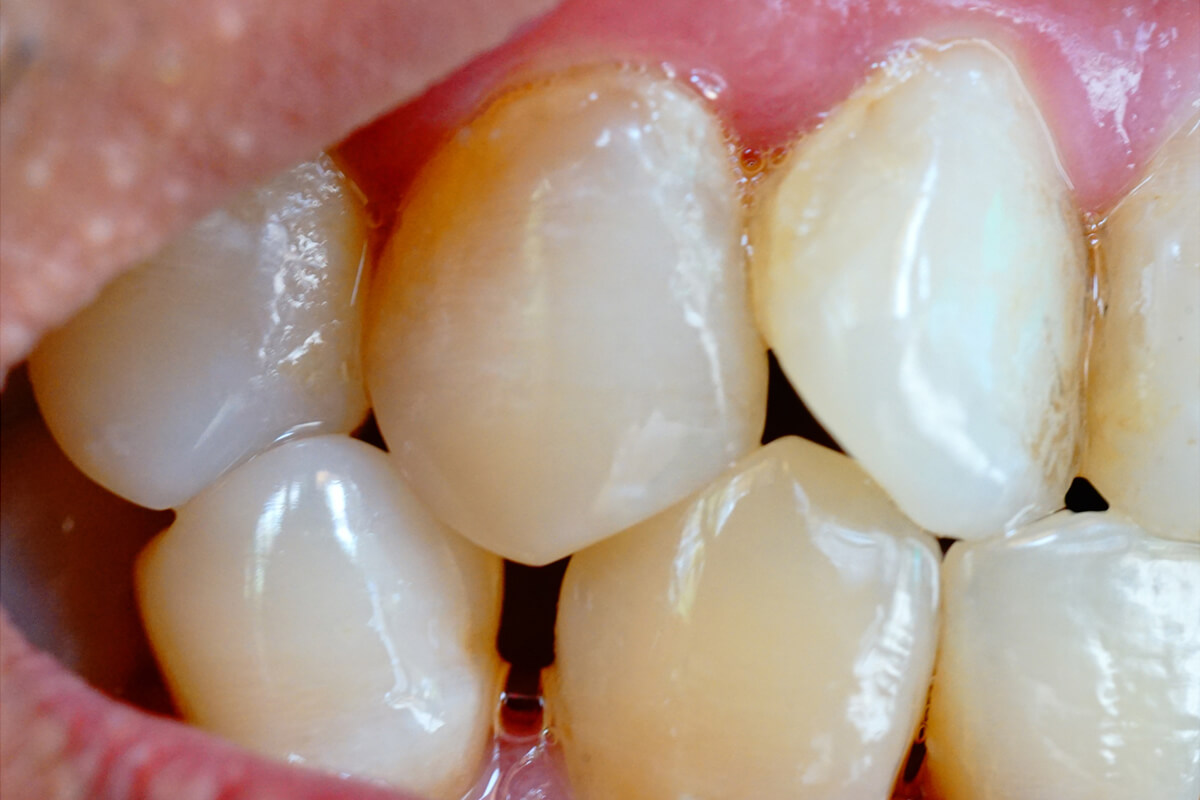
The earliest signs of gum recession can be easy to overlook. You might see that your teeth appear slightly longer than before, or you may notice small gaps forming near the gumline. These changes occur as gum tissue begins to pull away from the tooth surface.
Tooth sensitivity is another common early indicator. When gums recede, the roots—covered by softer cementum rather than enamel—become exposed. This can cause discomfort when you eat or drink something hot, cold, or sweet.
You may also experience mild gum tenderness or bleeding during brushing or flossing. Healthy gums should not bleed easily. If they do, it could signal early gum inflammation or improper brushing technique.
Keep an eye on any color changes, such as gums that appear redder or darker than usual. These subtle shifts often point to irritation or buildup of plaque near the gumline.
Advanced Symptoms and Complications
As gum recession progresses, the symptoms become more noticeable and can affect daily comfort. The roots of your teeth may become clearly visible, and the spaces between teeth can widen. This can make cleaning more difficult and increase the risk of plaque buildup.
Loose teeth are a more serious sign that supporting bone or tissue has weakened. You might feel movement when biting or brushing, which indicates structural loss around the tooth.
Chronic sensitivity may intensify, and pain can occur even without temperature changes. Some people also notice persistent bad breath or a change in how their teeth fit together when biting.
If untreated, gum recession can lead to tooth instability or, in severe cases, tooth loss. Recognizing these symptoms early allows your dentist to intervene before extensive damage develops.
Treatment Options for Gum Recession
Effective gum recession treatment focuses on removing harmful bacteria, restoring lost tissue, and addressing the habits or conditions that caused the problem. You can often slow or stop further gum loss with timely professional care and consistent oral hygiene practices.
Professional Deep Cleaning and Scaling
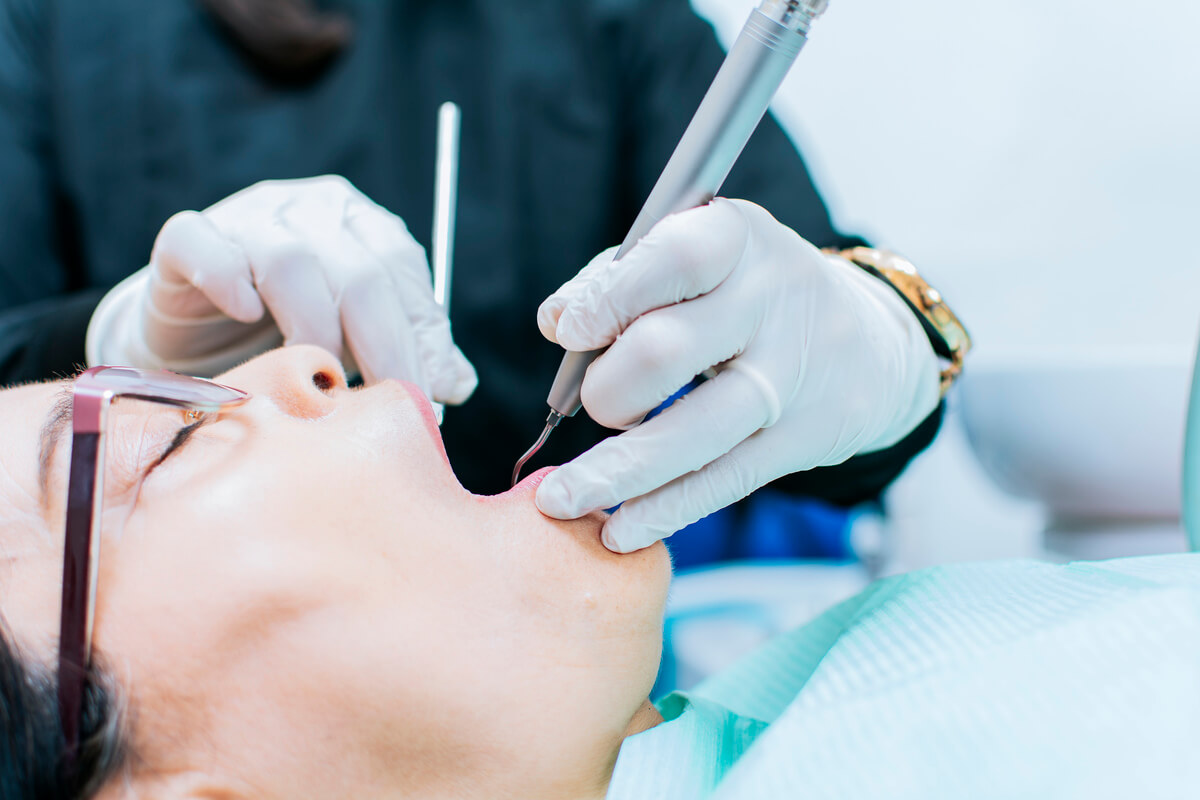
Your dentist may begin treatment with scaling and root planing, a deep cleaning procedure that removes plaque and tartar from below the gum line. This helps reduce inflammation and allows the gum tissue to reattach to the tooth surface.
During the procedure, your dentist uses specialized instruments to smooth the roots, making it harder for bacteria to accumulate. Local anesthesia keeps you comfortable throughout the treatment.
After deep cleaning, you may notice mild tenderness or sensitivity for a few days. Using an antimicrobial mouth rinse and gentle brushing supports healing. Regular dental cleanings every six months help maintain results and prevent the return of gum infection.
| Purpose: Remove plaque and tartar | |
|---|---|
| Benefit | Reduces bacterial load |
| Purpose: Smooth root surfaces | |
|---|---|
| Benefit | Encourages gum reattachment |
| Purpose: Maintain oral hygiene | |
|---|---|
| Benefit | Prevents further gum loss |
Surgical Procedures: Grafting and Pinhole Technique
When gum loss is more advanced, surgical intervention may be necessary. Gum grafting involves taking soft tissue, often from the roof of your mouth or donor material, and attaching it to areas where gums have receded. This covers exposed roots, reduces sensitivity, and strengthens the gum line.
The pinhole surgical technique offers a less invasive option. Your dentist creates a small entry point in the gum and gently repositions the existing tissue to cover the exposed root. No sutures are required, and healing is typically faster than traditional grafting.
Both procedures aim to restore gum coverage and protect the root surface from decay or further damage. Recovery usually involves soft foods, antimicrobial rinses, and follow-up visits for monitoring.
Managing Underlying Causes
Successful treatment depends on addressing what caused the gum recession. If periodontal disease is present, ongoing professional cleanings and home care are essential to control infection.
You may need to adjust brushing habits by using a soft-bristled toothbrush and gentle circular motions to avoid additional gum trauma. If tooth grinding or misalignment contributes to gum wear, your dentist might recommend a night guard or orthodontic correction.
Lifestyle changes also play a role. Avoiding tobacco, maintaining balanced nutrition, and scheduling regular dental examinations help prevent recurrence. Managing these underlying factors ensures that your gums stay healthy and stable after treatment.
Prevention and Long-Term Gum Health
Protecting your gums requires consistent daily care, healthy habits, and professional monitoring. You can maintain firm, healthy gum tissue by combining proper oral hygiene, mindful lifestyle choices, and regular dental visits.

Best Oral Hygiene Practices
Daily oral care prevents plaque buildup, the main cause of gum irritation and recession. Use a soft-bristled toothbrush and fluoride toothpaste to clean your teeth twice a day. Hard brushing or abrasive toothpaste can wear away gum tissue, so apply gentle pressure and use short, circular motions.
Floss once a day to remove debris between teeth where a brush can’t reach. Consider interdental brushes or water flossers if you have wider gaps or braces. These tools reduce bacteria near the gum line and help prevent inflammation.
Rinse with an antimicrobial or fluoride mouthwash to lower bacterial levels and strengthen enamel. Replace your toothbrush every three to four months or sooner if the bristles fray. Keeping your tools clean and effective supports long-term gum stability.
| Essential Tools: Soft-bristled toothbrush | |
|---|---|
| Purpose | Gentle cleaning to avoid gum damage |
| Essential Tools: Fluoride toothpaste | |
|---|---|
| Purpose | Strengthens enamel and protects roots |
| Essential Tools: Dental floss or interdental brush | |
|---|---|
| Purpose | Removes plaque between teeth |
| Essential Tools: Antimicrobial mouthwash | |
|---|---|
| Purpose | Reduces bacteria and inflammation |
Lifestyle Changes to Prevent Gum Recession
Your daily habits strongly influence gum health. Quit smoking or using tobacco, as it reduces blood flow to gum tissue and slows healing. Smokers are more likely to experience gum recession and tooth loss.
Maintain a balanced diet rich in vitamin C, calcium, and omega-3 fatty acids to support tissue repair and reduce inflammation. Limit sugary drinks and snacks that feed harmful bacteria.
If you grind your teeth at night, ask your dentist about a night guard. Grinding can stress gums and enamel. Stay hydrated to maintain adequate saliva flow, which helps neutralize acids and wash away food particles.
Small, consistent changes reduce strain on your gums and promote lasting oral health.
Importance of Regular Dental Check-Ups
Routine dental check-ups allow early detection of gum recession and other oral health issues. Your dentist can spot subtle changes in gum height or color before symptoms appear.
Professional cleanings remove hardened plaque (tartar) that brushing and flossing can’t reach. Regular visits every six months—or more often if recommended—help control bacteria and prevent periodontal disease.
During these appointments, your dentist may measure gum pockets, review your brushing technique, and suggest personalized care strategies. Following their advice supports healing and prevents further gum loss.
Consistent dental monitoring ensures your gums remain healthy and resilient over time.