
 TH
TH EN
EN
Key Takeaways
- Scurvy results from a severe lack of vitamin C in your diet.
- Recognizing early symptoms helps you prevent serious complications.
- Balanced nutrition and timely treatment restore health effectively.
Scurvy may sound like an illness from centuries past, but it can still occur today when your body doesn’t get enough vitamin C. This essential nutrient supports collagen production, wound healing, and immune function. Scurvy develops when your vitamin C levels drop too low, leading to fatigue, gum problems, and slow healing that can worsen if untreated.
You can prevent scurvy through simple changes in your diet and awareness of early warning signs. Fresh fruits and vegetables, especially citrus, peppers, and tomatoes, supply the vitamin C your body needs every day. Understanding how scurvy develops helps you take control of your health before symptoms appear.
Contents
1. Recognizing Scurvy: Key Symptoms and Warning Signs
- Early Symptoms of Scurvy
- Advanced Scurvy Symptoms
- How Scurvy Affects the Body
- Scurvy in Children and Infants
2. Understanding the Causes and Risk Factors of Scurvy
- Vitamin C Deficiency and Its Role
- Dietary and Lifestyle Risk Factors
- Medical Conditions Linked to Scurvy
Recognizing Scurvy: Key Symptoms and Warning Signs
Scurvy develops gradually, beginning with mild fatigue and progressing to more visible signs such as bruising, gum problems, and joint pain. Identifying these symptoms early helps you prevent complications and restore your health through proper nutrition and treatment.

Early Symptoms of Scurvy
In the early stages, you may feel tired, weak, or irritable. These symptoms appear as your body’s vitamin C levels drop below what’s needed for normal tissue repair. You might also notice a loss of appetite, mild joint or muscle pain, and dry or rough skin.
Small red or blue spots, called petechiae, can appear around hair follicles, especially on your legs. These spots result from fragile capillaries that break easily.
Another early sign is bleeding gums when brushing your teeth. Your gums may feel swollen or tender even before visible bleeding occurs. Slow wound healing and easy bruising are also common as collagen production declines.
Keeping track of these subtle changes helps you recognize a deficiency before it worsens.
Advanced Scurvy Symptoms
If left untreated, scurvy can progress to more serious symptoms. Severe gum disease, including gum recession and tooth loss, often develops as connective tissue weakens. You may experience joint swelling, stiffness, and pain that make movement uncomfortable.
Large bruises and spontaneous bleeding under the skin or around the nails can appear. Some people develop anemia due to chronic blood loss and reduced iron absorption. This can cause shortness of breath, paleness, and extreme fatigue.
Bones and muscles may ache, and you might feel depressed or apathetic. These symptoms reflect how deeply vitamin C deficiency affects both physical and mental health.
How Scurvy Affects the Body
Vitamin C is essential for producing collagen, a protein that supports your skin, blood vessels, bones, and connective tissue. Without enough of it, your body struggles to maintain the integrity of these structures.
| System: Skin | |
|---|---|
| Common Effects of Scurvy | Roughness, bruising, perifollicular hemorrhages |
| System: Mouth | |
|---|---|
| Common Effects of Scurvy | Swollen or bleeding gums, loose teeth |
| System: Joints | |
|---|---|
| Common Effects of Scurvy | Pain, swelling, limited mobility |
| System: Blood | |
|---|---|
| Common Effects of Scurvy | Anemia, fatigue, poor circulation |
You may also notice slow wound healing and fragile hair that breaks easily. These changes occur because collagen breakdown weakens tissues at every level.
Scurvy in Children and Infants
Children and infants can develop scurvy if their diets lack vitamin C for several months. In infants, this can happen when formula or milk substitutes do not contain adequate nutrients.
Common signs include irritability, poor weight gain, and painful joints that make the child reluctant to move or crawl. Swelling around the knees or ankles and tender limbs are frequent findings.
Older children may show bleeding gums, bruising, and slow healing after minor injuries. Because these symptoms can resemble other conditions, medical evaluation and blood testing are important.
Prompt vitamin C supplementation usually leads to rapid improvement within days.
Understanding the Causes and Risk Factors of Scurvy
Scurvy develops when your body lacks enough vitamin C to maintain healthy connective tissue, blood vessels, and skin. It can result from poor dietary intake, absorption issues, or underlying medical conditions that interfere with nutrient use. Recognizing these causes helps you prevent deficiency before symptoms appear.

Vitamin C Deficiency and Its Role
Vitamin C, or ascorbic acid, is essential for collagen formation, wound healing, and iron absorption. Your body cannot store large amounts of it or produce it on its own, so you must obtain it regularly from food.
When your vitamin C intake falls below about 10 mg per day for several weeks, collagen production declines. This weakens blood vessels and connective tissue, leading to bleeding gums, bruising, and joint pain.
A lack of vitamin C also reduces your body’s ability to absorb iron and fight oxidative stress. Over time, these effects contribute to fatigue, anemia, and delayed healing. Restoring normal levels through diet or supplements typically reverses these problems quickly.
Dietary and Lifestyle Risk Factors
Scurvy often stems from eating patterns that lack fresh fruits and vegetables. Citrus fruits, berries, tomatoes, and leafy greens are major sources of vitamin C. Diets heavy in processed foods or limited in variety can easily fall short of daily needs.
Common risk groups include:
- People with restrictive or highly selective diets
- Older adults with limited food access
- Smokers, because tobacco use lowers vitamin C levels
- Individuals with alcohol dependence or poor nutrition habits
Cooking and storing food for long periods can destroy vitamin C. To preserve nutrients, eat some fruits and vegetables raw or lightly cooked. Maintaining a balanced diet remains the most reliable way to prevent deficiency.
Medical Conditions Linked to Scurvy
Certain health conditions can reduce how well your body absorbs or uses vitamin C. Malabsorption disorders such as Crohn’s disease, ulcerative colitis, or celiac disease can interfere with nutrient uptake from food.
People undergoing dialysis or those with chronic kidney disease may lose more water-soluble vitamins, including ascorbic acid. Some genetic or metabolic disorders also affect vitamin metabolism.
In addition, severe food allergies, autism-related food selectivity, or eating disorders can limit dietary variety. If you live with any of these conditions, regular monitoring of your vitamin C intake and supplementation under medical guidance can help prevent scurvy.
Effective Treatment and Management of Scurvy
You can reverse scurvy effectively by restoring your body’s vitamin C levels, improving your diet, and following medical advice when necessary. Early treatment usually leads to a full recovery within days to weeks once adequate vitamin C intake is achieved.

Vitamin C Supplementation
Vitamin C supplementation forms the foundation of treatment for scurvy. You typically start with oral ascorbic acid in divided doses, as your body absorbs only limited amounts at one time. A common approach is 100 mg three to five times daily until symptoms resolve, then reducing to a maintenance dose.
If you cannot take supplements orally—such as after gastrointestinal surgery—intravenous (IV) vitamin C may be prescribed. Adults may receive around 200 mg daily for up to one week under medical supervision.
Symptoms like fatigue and gum bleeding often improve within a few days of supplementation. Continue taking vitamin C until your diet provides enough to maintain normal levels. Avoid excessive doses above 1 g per day, as they may increase the risk of kidney stones in some individuals.
Dietary Adjustments for Recovery
A balanced diet rich in vitamin C helps maintain recovery and prevents recurrence. Focus on fresh fruits and vegetables, as cooking and storage can reduce vitamin C content. Include foods such as:
| Food Source: Orange (1 medium) | |
|---|---|
| Approx. Vitamin C (mg per serving) | 70 |
| Food Source: Kiwi (1 medium) | |
|---|---|
| Approx. Vitamin C (mg per serving) | 65 |
| Food Source: Broccoli (½ cup, cooked) | |
|---|---|
| Approx. Vitamin C (mg per serving) | 50 |
| Food Source: Strawberries (½ cup) | |
|---|---|
| Approx. Vitamin C (mg per serving) | 45 |
| Food Source: Bell pepper (½ cup, raw) | |
|---|---|
| Approx. Vitamin C (mg per serving) | 60 |
You should eat at least five servings of fruits and vegetables daily. If your diet is restricted, consider fortified juices or supplements. Pairing vitamin C–rich foods with iron sources can also improve iron absorption, which supports overall recovery.
Medical Supervision and Monitoring
Medical oversight ensures that your treatment for scurvy is safe and effective. A clinician may review your dietary history, check blood vitamin C levels, and rule out other nutritional deficiencies such as iron or folate deficiency.
Follow-up visits help confirm symptom resolution and prevent relapse. If you have conditions affecting absorption—like inflammatory bowel disease or post-surgical changes—your provider may adjust your supplementation plan.
Report persistent fatigue, gum issues, or poor wound healing to your healthcare professional. Ongoing monitoring keeps your vitamin C levels stable and supports long-term nutritional health.
Prevention: Ensuring Adequate Vitamin C Intake
Preventing scurvy depends on maintaining steady vitamin C levels through a varied diet. You can achieve this by eating a range of fruits and vegetables, choosing fresh options whenever possible, and adjusting your intake if you have higher nutritional needs.
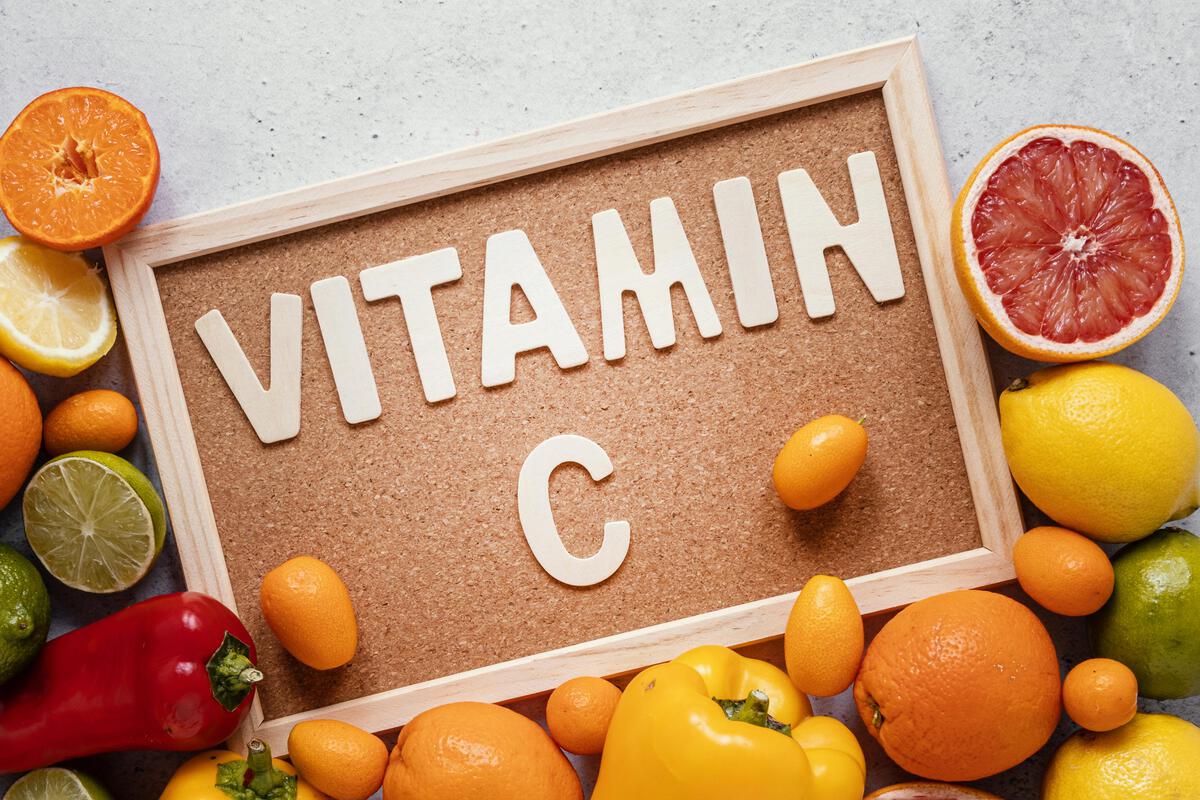
Foods High in Vitamin C
Vitamin C is found in many common foods, especially fresh fruits and vegetables. Citrus fruits such as oranges, lemons, and grapefruits are among the richest sources. Other excellent options include strawberries, kiwi, bell peppers, tomatoes, and broccoli.
| Food: Orange | |
|---|---|
| Approx. Vitamin C (mg per 100 g) | 53 |
| Food: Kiwi | |
|---|---|
| Approx. Vitamin C (mg per 100 g) | 92 |
| Food: Bell pepper (red) | |
|---|---|
| Approx. Vitamin C (mg per 100 g) | 128 |
| Food: Broccoli | |
|---|---|
| Approx. Vitamin C (mg per 100 g) | 89 |
| Food: Strawberry | |
|---|---|
| Approx. Vitamin C (mg per 100 g) | 59 |
| Food: Tomato | |
|---|---|
| Approx. Vitamin C (mg per 100 g) | 23 |
Cooking can reduce vitamin C content, particularly boiling or long heating. To preserve nutrients, eat these foods raw or lightly cooked. Including at least one vitamin C-rich food in each meal helps maintain consistent intake.
Tips for a Balanced, Vitamin C-Rich Diet
You don’t need large portions to meet your daily needs. The recommended dietary allowance is about 90 mg for men and 75 mg for women. Most people can reach this by eating five servings of fruits and vegetables each day.
Try combining sources throughout the day. For example, add sliced strawberries to breakfast cereal, include bell peppers in salads, and have an orange as a snack. Frozen produce retains most of its vitamin C, making it a convenient alternative when fresh fruits and vegetables are unavailable.
If you smoke or have limited access to fresh foods, consider a vitamin C supplement after consulting a healthcare provider. Supplements should complement—not replace—a balanced diet.
Special Considerations for At-Risk Groups
Certain groups are more likely to experience vitamin C deficiency. These include older adults, people with restricted diets, smokers, and those with malabsorption conditions such as Crohn’s disease. Individuals with alcohol dependence or limited access to fresh produce also face higher risk.
If you fall into one of these categories, monitor your intake more carefully. Keep a regular supply of vitamin C-rich foods or fortified products on hand. For those with medical conditions affecting absorption, healthcare professionals may recommend higher-dose supplements to maintain adequate levels and prevent recurrence of deficiency.