
 TH
TH EN
EN
Key Takeaways
- Tooth misalignment often results from genetics, habits, and jaw development.
- Crooked teeth can create bite, hygiene, and confidence challenges.
- Professional orthodontic care offers effective, long-term correction.
Crooked teeth can do more than change the way your smile looks—they can affect how your mouth functions and how confident you feel each day. Genetics, childhood habits, jaw growth, and even oral hygiene all play a role in tooth misalignment. Understanding the causes of crooked teeth helps you take early steps toward treatment and prevent more serious dental issues later on.
You might notice your teeth crowding, overlapping, or creating gaps that make cleaning difficult. Over time, this misalignment can strain your jaw, impact your bite, and increase your risk of gum disease or tooth decay. With modern orthodontics, including braces, aligners, and cosmetic options, you can restore both balance and comfort to your smile.
Contents
1. Root Causes of Crooked Teeth
- Genetic Factors and Jaw Size
- Childhood Habits and Behaviors
- Dental Trauma and Injuries
- Mouth Breathing and Tongue Thrusting
2. Types of Crooked Teeth and Bite Problems
3. Risks and Complications of Misaligned Teeth
- Oral Hygiene Challenges
- Gum Disease and Inflammation
- Tooth Decay and Plaque Buildup
- Jaw Pain, TMJ Issues, and Chewing Problems
4. Long-Term Health Effects of Crooked Teeth
Root Causes of Crooked Teeth
Crooked teeth often develop from a combination of inherited traits, developmental behaviors, and physical disruptions in the mouth. Factors like genetics, early childhood habits, and breathing patterns influence how your teeth grow and fit together. Some causes are avoidable with early intervention, while others require professional treatment to correct alignment and restore proper function.

Genetic Factors and Jaw Size
Your genetics play a major role in the size and shape of your jaw and how your teeth align. If your parents have crowded teeth, an overbite, or underbite, you are more likely to experience similar issues. A small jaw often leaves limited space for teeth, causing overcrowding and overlapping.
Inherited differences in jaw growth may create malocclusion, where the upper and lower teeth do not meet properly. This imbalance can affect chewing efficiency and even speech clarity.
In some cases, one or both jaws may develop unevenly, leading to noticeable asymmetry. Orthodontic evaluation can identify these growth patterns early. For many patients, combining braces or clear aligners with growth-guiding orthodontics can prevent long-term complications caused by genetic factors.
Childhood Habits and Behaviors
Your early habits have lasting effects on how your teeth grow. Thumb sucking, pacifier use, and long-term bottle feeding put uneven pressure on developing gums and tooth buds. Over time, these forces can push front teeth forward or alter jaw alignment, resulting in gaps or protrusion.
When the mouth muscles adapt to these repeated motions, it changes how the tongue and lips rest at ease. This imbalance can affect your bite, creating open bite or crossbite conditions.
Parents can help by gently correcting these behaviors early. Pediatric dentists often recommend stopping pacifier use by age two and discouraging thumb sucking before adult teeth emerge. Early intervention helps your child’s mouth develop natural alignment and reduces the need for complex orthodontic treatment later.
Dental Trauma and Injuries
Accidents during sports or childhood play can change tooth positioning. When a tooth is knocked, fractured, or lost prematurely, nearby teeth may shift toward the empty space. This can cause misalignment and crowding as adult teeth erupt.
Untreated dental trauma can also affect jaw growth if the bone heals unevenly. Asymmetrical healing may cause bite irregularities like overbite or underbite.
Wearing a mouthguard during contact sports and seeking prompt dental care after injuries reduces the risk of lasting alignment problems. Even minor trauma, such as a chipped tooth, should be checked, since small changes can affect how your upper and lower teeth meet over time.
Mouth Breathing and Tongue Thrusting
Breathing through your mouth instead of your nose can influence how your jaw and teeth develop. Chronic mouth breathing, often linked to sinus or allergy issues, keeps your tongue low in the mouth. Without proper tongue support on the palate, the upper arch can narrow, creating crowded teeth and bite problems.
Tongue thrusting, or pushing the tongue against or between the teeth during swallowing or speaking, exerts forward pressure on the front teeth. Over months or years, this behavior may cause teeth to flare outward and lead to open bite or malocclusion.
Identifying the cause of these patterns is important. Correcting nasal obstruction, improving posture, and practicing myofunctional therapy can retrain the tongue and support healthier oral development. Addressing these habits helps maintain natural spacing and proper bite balance.
Types of Crooked Teeth and Bite Problems
Crooked or misaligned teeth appear in different forms, each affecting how your teeth fit together and how your mouth functions. The alignment of your teeth and jaw can influence your bite, chewing ability, and even oral hygiene, making it essential to understand the specific patterns of misalignment.
Crowding and Overcrowding
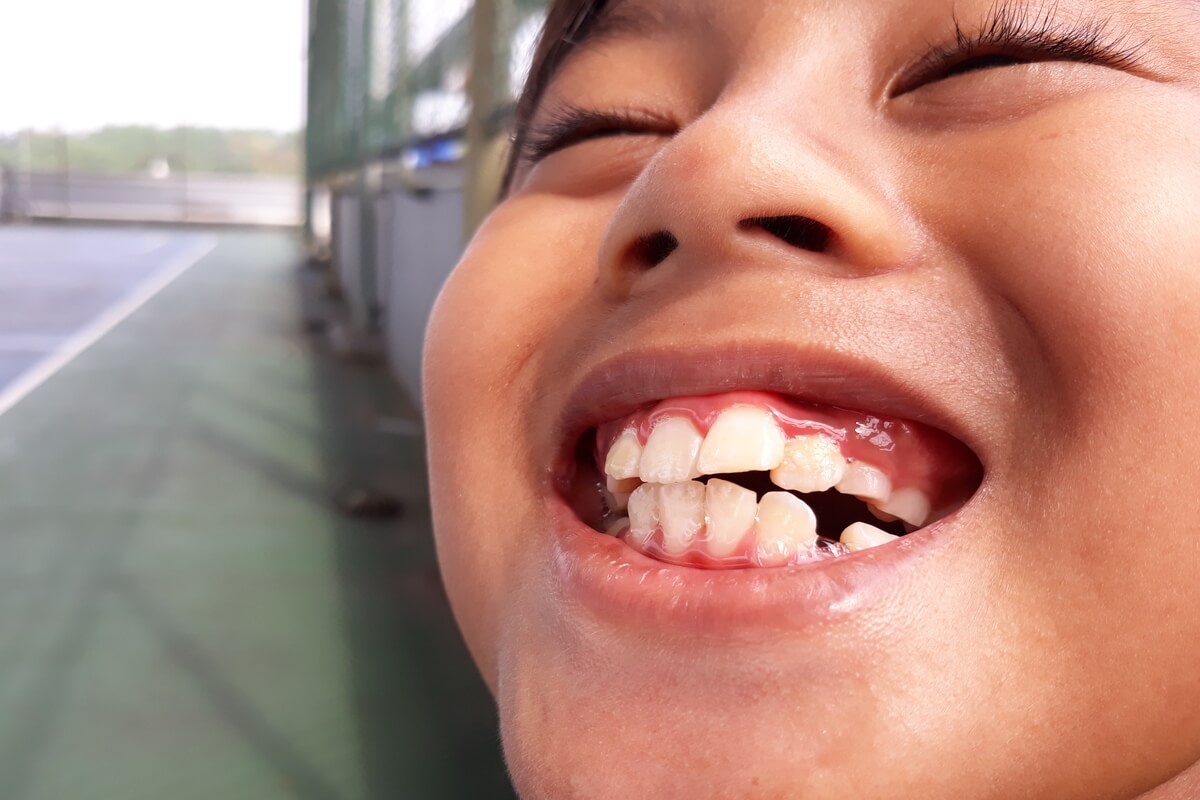
Crowding occurs when there isn’t enough space in your jaw for all your teeth to fit correctly. Teeth overlap, twist, or rotate, which can make cleaning difficult and increase your risk of tooth decay, cavities, and gum disease. Overcrowding is common in narrow jaws or when baby teeth fall out too early, allowing permanent teeth to shift into limited space.
You may notice crowding if your teeth overlap or appear uneven along the gum line. In serious cases, malocclusion can develop, where your bite doesn’t align properly. Dentists often use orthodontic treatments such as braces or clear aligners to create space and reposition teeth.
| Condition: Mild crowding | |
|---|---|
| Description | Slight overlap of teeth |
| Common Treatment | Clear aligners or retainers |
| Condition: Moderate crowding | |
|---|---|
| Description | Teeth rotated or tilted |
| Common Treatment | Braces or aligner systems |
| Condition: Severe overcrowding | |
|---|---|
| Description | Significant overlap or misalignment |
| Common Treatment | Tooth extraction and braces |
Spacing and Gaps
Spacing problems occur when teeth are too far apart. This can result from missing teeth, small teeth, or extra space in a large jaw. Gaps often collect food and plaque, making your gums more prone to inflammation or infection.
Unlike overcrowding, spacing may make your smile appear uneven but can also signal underlying bite issues. Some gaps develop when gum tissue overgrows between the front teeth (a condition called diastema). Orthodontic treatment can gradually close these gaps, improving both appearance and function.
In mild cases, a dentist may recommend bonding or veneers to fill smaller spaces. For extensive gaps linked to misaligned teeth, braces or aligners adjust tooth positions for better bite balance and a healthier mouth.
Overbite and Underbite
An overbite happens when your upper teeth extend too far over the lower teeth. A moderate overbite is common, but when severe, it can lead to tooth wear, jaw discomfort, and even speech issues. Genetics often play a role, though habits like thumb sucking or prolonged pacifier use can also cause it.
An underbite occurs when the lower teeth sit in front of the upper teeth. This can make chewing difficult and place strain on your jaw joints. If untreated, both overbites and underbites can worsen over time and may contribute to temporomandibular joint (TMJ) problems.
Treatments vary depending on age and severity. Orthodontic correction is usually the first step, but surgery may be required for severe jaw alignment concerns.
Crossbite and Open Bite
A crossbite refers to a bite where some upper teeth sit inside the lower teeth. It can affect one tooth, a group of teeth, or both sides of your mouth. Crossbites often develop from jaw growth discrepancies or prolonged childhood habits such as mouth breathing. This uneven bite can lead to tooth wear, receding gums, or changes in facial structure over time.
An open bite occurs when the front teeth don’t touch when the mouth is closed. You might notice a gap between the upper and lower front teeth, making biting into foods challenging. Causes include tongue thrusting, thumb sucking, or skeletal growth differences.
Dentists usually recommend orthodontic correction for both conditions to realign the teeth and promote balanced jaw function. In some adult cases, jaw surgery may help restore proper alignment and long-term oral stability.
Risks and Complications of Misaligned Teeth
Crooked or misaligned teeth can quietly create a chain of oral health problems. They increase your risk of gum disease, jaw discomfort, and tooth decay by making cleaning more difficult and disrupting how your mouth functions every day.
Oral Hygiene Challenges
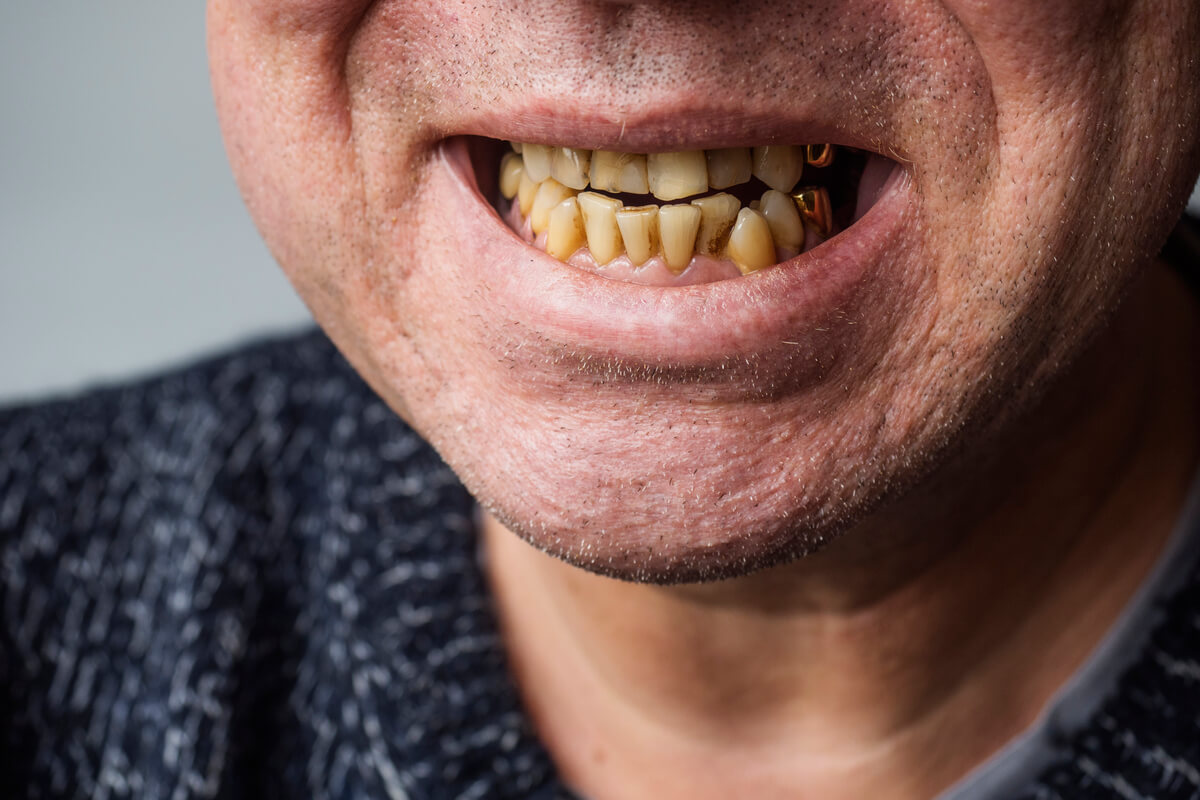
When your teeth overlap or twist, brushing and flossing become less effective. Food often lodges between tight spaces, allowing bacteria to thrive. Even careful cleaning can miss debris that hides near the gumline.
Poor access to these spots leads to plaque buildup and bad breath. Over time, this buildup hardens into tartar that only a dental professional can remove. Everyday oral hygiene practices like brushing twice daily and using interdental brushes help reduce these issues. Regular dental checkups play a major role in preventing long-term damage and maintaining your mouth’s health.
Gum Disease and Inflammation
Misaligned teeth often strain your gums and make cleaning uneven, which increases the chance of gingivitis or more advanced periodontitis. The gums can appear red, swollen, or may bleed when you brush. These early warning signs shouldn’t be ignored.
Inflamed gums make it easier for bacteria to enter deeper tissues, affecting both the teeth and bone structure. If gum inflammation is left untreated, it may lead to gum recession and tooth mobility. You can limit these risks through professional cleanings, improved daily dental hygiene, and timely orthodontic treatment that evens out pressure across your mouth.
Tooth Decay and Plaque Buildup
Misalignment creates small hiding places where plaque and bacteria accumulate. When plaque isn’t cleared, it produces acids that gradually wear away tooth enamel. This process starts cavities and weakens your teeth over time.
Uneven teeth positions may also cause certain areas to receive more wear from biting or brushing. That can expose sensitive enamel or create sharp edges where food and plaque cling more easily. Fluoride toothpaste, regular flossing, and periodic scaling treatments protect these areas. Correcting tooth alignment doesn’t just improve appearance—it makes daily decay prevention more effective and predictable.
Jaw Pain, TMJ Issues, and Chewing Problems
Crooked teeth often place uneven stress on your jaw joints (TMJ) and muscles. This strain can cause tightness, clicking, or discomfort near your ears and temples. You might also experience difficulty fully opening your mouth or fatigue while chewing.
An unbalanced bite can make chewing inefficient, leading to excessive wear on specific teeth. This imbalance contributes to headaches or referred pain in the neck and shoulders. Dentists may recommend bite adjustments, night guards, or orthodontic alignment to stabilize jaw movement. Taking action early reduces stress on the TMJ and helps restore comfortable, natural chewing.
Long-Term Health Effects of Crooked Teeth
Crooked teeth can affect more than just appearance. When misalignment interferes with your bite and oral hygiene, it can influence your dental health, gum condition, and self-confidence in lasting ways that impact daily life.
Impacts on Dental Health
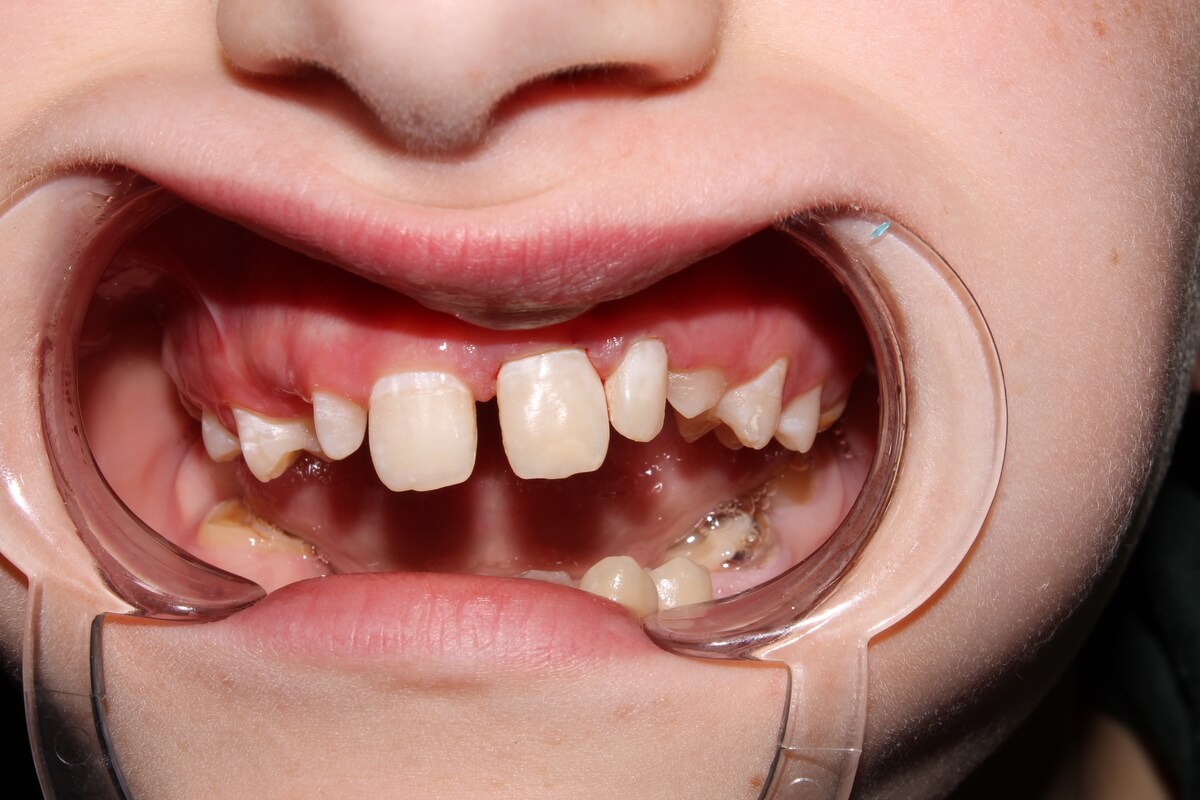
Crooked or overlapping teeth can make routine cleaning difficult. Plaque builds up more easily between misaligned teeth, increasing the risk of cavities, enamel wear, and tooth sensitivity. You may notice that food particles lodge in tight spaces even when you brush and floss regularly.
Uneven contact points can also lead to abnormal tooth wear. When your upper and lower teeth do not meet evenly, certain teeth absorb more pressure. Over time this can cause chipping, cracking, or even shortening of teeth.
Jaw strain is another concern. Malocclusion—when your bite does not fit together properly—can place stress on the jaw muscles and temporomandibular joint (TMJ). This can result in headaches, jaw pain, or clicking noises during chewing. Maintaining balanced alignment supports a more stable bite and reduces the mechanical burden on surrounding muscles and joints.
Increased Risk of Periodontal Disease
Dental misalignment can contribute to gum inflammation because bacteria settle in areas that are hard to clean. Once plaque hardens into tartar along the gumline, your gums may become swollen or bleed easily during brushing.
If untreated, that inflammation can progress to periodontitis, a condition that damages gum tissue and underlying bone. Over time, this may lead to tooth mobility or loss. The bacteria involved in gum disease can also trigger a low-grade inflammatory response throughout your body.
Studies have linked chronic oral inflammation to heart disease, diabetes, and other systemic conditions. Keeping your teeth properly aligned helps protect not just your smile but your wider oral and overall health. Regular dental visits and professional cleanings remain essential, especially when alignment issues make home care challenging.
Self-Esteem and Social Well-being
Crooked teeth can influence how comfortable you feel when smiling, talking, or meeting new people. Many patients describe avoiding photos or social events because of concerns about their appearance.
This hesitation can gradually affect self-esteem and professional confidence. For adolescents, visible misalignment can sometimes invite teasing or self-consciousness during formative years. For adults, it may lead to guarded body language or reluctance to engage fully at work or in relationships.
Addressing alignment problems can have emotional benefits alongside physical ones. Orthodontic treatments—such as braces, Invisalign, or veneers—restore function while providing a balanced, confident smile. Straightening your teeth often improves how you perceive yourself, which can support better communication, comfort, and quality of life.
Professional Treatments for Crooked Teeth
Professional dental treatments straighten misaligned teeth, improve bite alignment, and reduce long-term oral health risks. Treatment options vary from orthodontic adjustments using braces or aligners to surgical correction in complex cases.
Orthodontic Assessment and Evaluation
A qualified orthodontist begins with a thorough orthodontic evaluation to understand how your teeth and jaw align. This often includes digital X‑rays, dental impressions, or 3‑D scans. These tools help identify issues such as overbite, underbite, or overcrowding.
During your first appointment, the dentist discusses treatment goals, expected results, and the estimated timeline. You can expect to learn about several orthodontic treatment options, including braces, retainers, or aligners based on your case.
Evaluations also explore your overall dental health to ensure gums and tooth roots are strong enough for treatment. Regular follow‑up dental visits keep progress on track and help spot any early concerns before they become larger problems.
Traditional Braces and Retainers
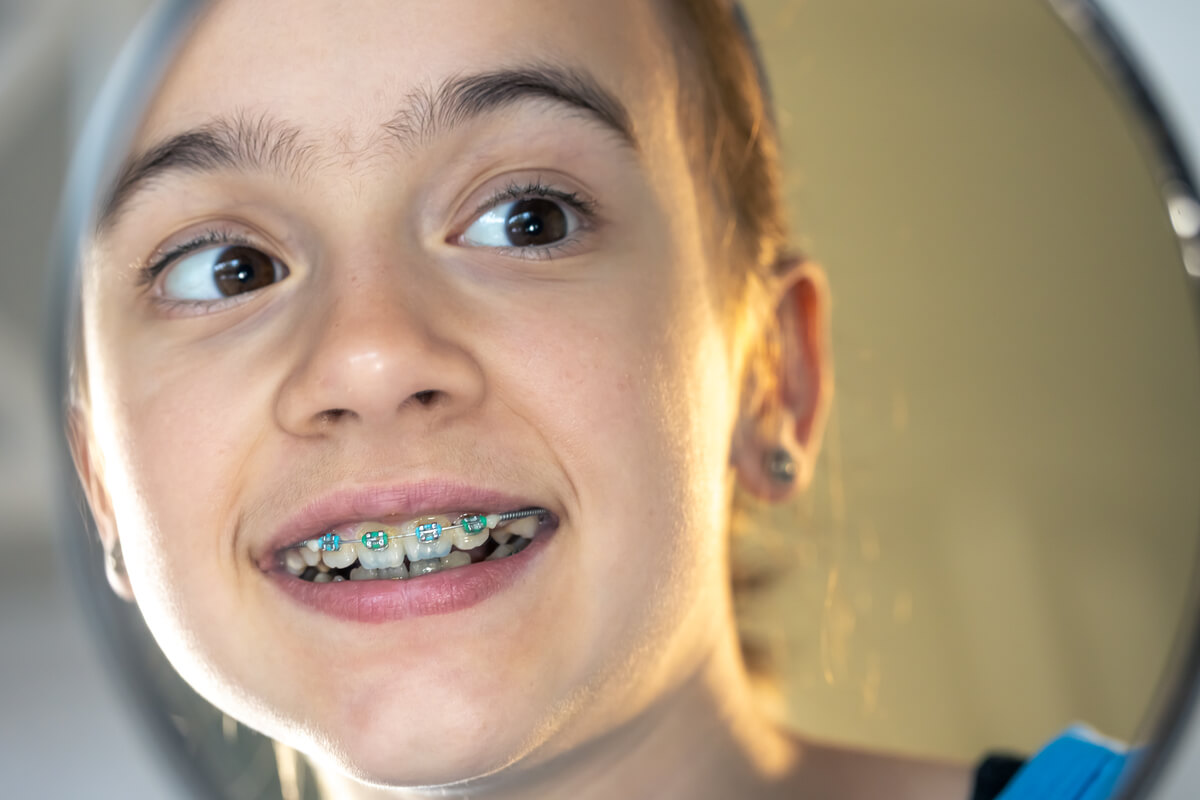
Braces remain one of the most dependable ways to correct crooked teeth. Metal braces use brackets and wires to apply steady pressure that moves teeth gradually into alignment. Ceramic braces function similarly but blend with your natural tooth color, making them less noticeable. Lingual braces fit behind the teeth for a more discreet appearance.
Here’s a quick comparison of common brace types:
| Type: Metal braces | |
|---|---|
| Appearance | Silver brackets and wire |
| Typical Use | Most cases |
| Visibility | High |
| Type: Ceramic braces | |
|---|---|
| Appearance | Tooth-colored |
| Typical Use | Moderate cases |
| Visibility | Low |
| Type: Lingual braces | |
|---|---|
| Appearance | Behind teeth |
| Typical Use | Cosmetic preference |
| Visibility | Hidden |
After braces are removed, retainers play a critical role in keeping your teeth from shifting back. Wearing retainers as advised helps protect months or years of progress. Skipping this stage can cause teeth to drift out of line again.
Clear Aligners and Invisalign
Clear aligners, including brands like Invisalign, straighten teeth using a series of removable, transparent trays. You wear each tray for about one to two weeks before switching to the next in the sequence. The trays gently shift your teeth over time without wires or brackets.
Aligners work best for mild to moderate misalignment and appeal to adults seeking a subtle correction method. Because the aligners are removable, you can eat and brush without obstruction, but consistent use—usually 20–22 hours daily—is essential for success.
At follow‑up appointments, your dentist checks fit, progress, and oral hygiene. The treatment length depends on alignment severity but typically lasts 6–18 months. Cost and comfort vary, yet convenience and aesthetics make aligners a popular modern dental solution.
Jaw Surgery and Advanced Corrections
When crooked teeth result from significant jaw misalignment, orthodontic treatment alone may not be enough. Jaw surgery, or orthognathic surgery, repositions the upper, lower, or both jaws to improve function and appearance.
This procedure often accompanies braces or clear aligner therapy to complete alignment after skeletal corrections. Your surgeon collaborates with your orthodontist to create a coordinated treatment plan that ensures bite stability and balanced facial structure.
Surgery is usually considered after skeletal maturity—typically in late adolescence or adulthood. Recovery involves close monitoring and temporary dietary adjustments. For patients with severe misalignment, this combination approach restores proper chewing, speech, and comfort while protecting long‑term dental health.
Alternative and Cosmetic Solutions
Some people want to correct crooked teeth without braces. You can choose treatments that improve tooth appearance through cosmetic restoration, proper hygiene, and consistent aftercare to maintain lasting results.
Dental Veneers and Crowns
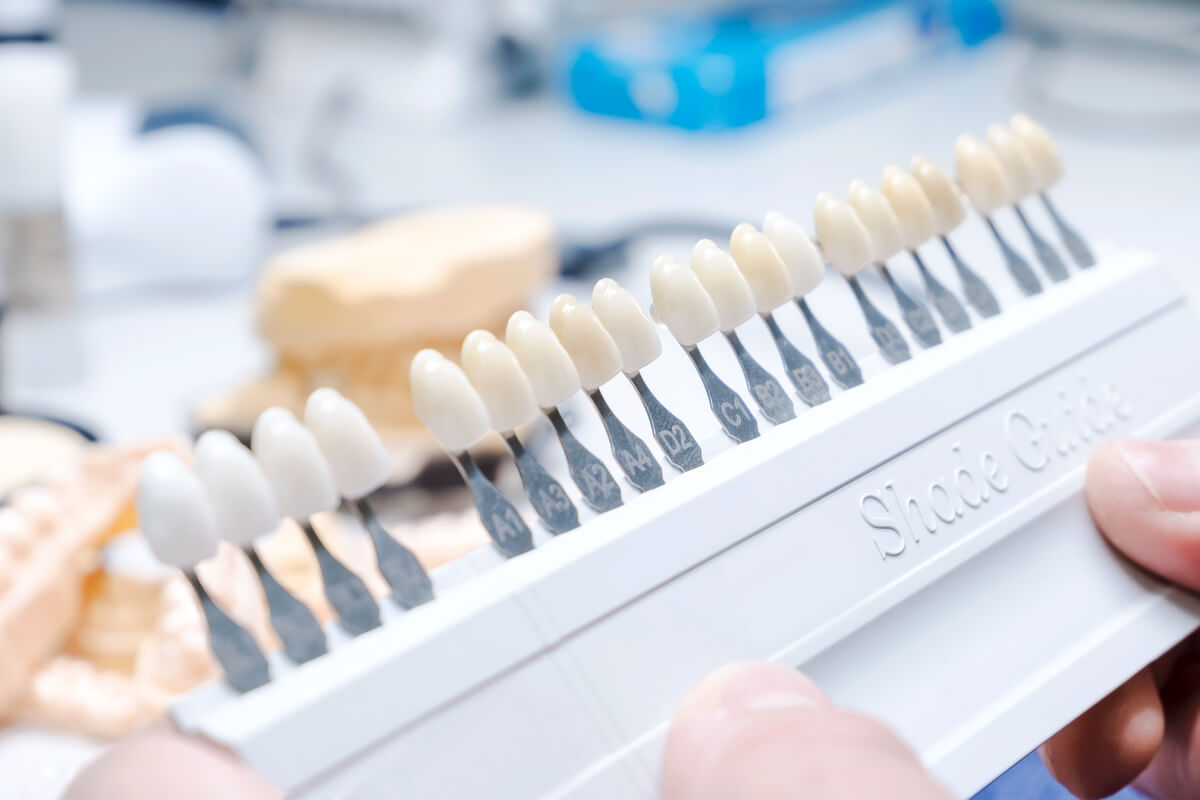
Dental veneers and crowns reshape and align uneven teeth by covering imperfections rather than moving the teeth. Veneers are thin porcelain or composite layers bonded to the front of teeth. They suit mild alignment issues, chips, small gaps, or discoloration.
Crowns, on the other hand, cover the full tooth surface. They protect worn or damaged teeth and create a balanced look when alignment causes uneven wear. Veneers and crowns both require removing a small layer of enamel before bonding, making precision critical.
| Treatment: Veneers | |
|---|---|
| Coverage | Front of tooth |
| Best For | Minor misalignment, discoloration |
| Material Options | Porcelain, Composite resin |
| Treatment: Crowns | |
|---|---|
| Coverage | Entire tooth |
| Best For | Major damage, structural weakness |
| Material Options | Porcelain, Zirconia, Metal-ceramic |
These options are fast solutions for aesthetic correction but do not alter bite mechanics. You should discuss each method’s durability, cost, and maintenance with your dentist to decide what fits your dental goals.
Dental Hygiene Maintenance
After cosmetic treatment, dental hygiene becomes even more important to maintain healthy gums and prevent edge staining around veneers or crowns. You should brush at least twice daily using a nonabrasive fluoride toothpaste to protect the restoration’s polish.
Floss gently around restoration margins to remove trapped debris. Mouthwash with antibacterial properties helps reduce plaque buildup in hard-to-reach areas. Use soft-bristled toothbrushes to avoid scratching the tooth surface or margins.
Your dentist may advise switching to alcohol-free rinses, as alcohol can weaken certain bonding materials. Regular cleanings every six months allow your dentist to check for early signs of wear or gum irritation, supporting the longevity of your restorations.
Aftercare and Maintaining Results
Long-term success depends on proper aftercare and balanced oral habits. Avoid using your teeth to open packaging or biting hard foods like ice or candies, which can crack veneers or loosen crowns.
If you grind your teeth at night, a custom mouthguard can protect your restorations. Keep your gums healthy through consistent brushing, flossing, and hydration.
Schedule follow-up visits to assess fit, polish the surfaces, and ensure your bite stays even. Following your dentist’s specific care instructions helps your results last for years and keeps your smile functional and natural-looking.