
 TH
TH EN
EN
Key Takeaways
- Quick action helps prevent pain and further tooth damage.
- A dentist’s evaluation determines the right repair approach.
- Proper care and protection keep your restored tooth strong.
Chipping a tooth can happen in an instant—biting something hard, taking a fall, or even during a simple meal. The sharp edge, sudden sensitivity, or visible damage can leave you unsure of what to do next. The best step you can take right away is to stay calm, protect the tooth, and contact your dentist as soon as possible. Acting quickly can prevent pain, infection, and more extensive dental work later.
You don’t have to figure it out alone. Knowing what to do in those first few minutes makes all the difference. From rinsing your mouth to preserving any broken piece, each move helps your dentist restore your tooth effectively and safely. This guide walks you through practical actions and professional treatments that bring your smile back to normal.
Contents
1. Immediate Actions for a Chipped Tooth
2. Professional Assessment and Diagnosis
3. Treatment Options for Chipped Teeth
- Dental Bonding for Minor Chips
- Dental Veneers for Cosmetic Repair
- Dental Crowns for Structural Support
- Enamel Shaping for Small Imperfections
Immediate Actions for a Chipped Tooth
When you chip a tooth, acting quickly helps protect the exposed area from infection, pain, and further damage. Cleaning the mouth, handling any broken fragments correctly, managing discomfort, and avoiding harmful habits all reduce complications before you reach a dentist.

Rinse and Clean the Area
Start by rinsing your mouth with warm water to remove debris and keep the area clean. Avoid using mouthwash with alcohol, as it can irritate sensitive tissue. Salt water is a safe option because it gently disinfects without causing additional pain.
If bleeding occurs, apply gentle pressure with a clean piece of gauze for several minutes. Do not scrub or use sharp objects to clean near the chipped tooth. This helps prevent irritation to the enamel or gum line.
Maintaining good oral hygiene remains important even after the injury. Brush carefully around the affected tooth using a soft-bristled toothbrush. Keep food particles away from the chipped edge to lower the risk of infection or decay.
Preserve Tooth Fragments
If a piece of your tooth breaks off, save the fragment whenever possible. Handle it gently and avoid touching the root surface. Place it in a small container with milk, saline solution, or your own saliva to keep it moist.
Dentists sometimes reattach larger fragments if they remain intact. Labeling the container with your name and the time of the injury can help your dentist assess whether reattachment is possible.
Avoid wrapping the piece in tissue or storing it dry, as this can damage the enamel. Keeping the fragment hydrated preserves its structure until professional evaluation.
Manage Pain and Bleeding
Pain and bleeding are common after a chipped tooth. Begin by rinsing with warm salt water to soothe the area and reduce bacteria. If bleeding continues, press a sterile gauze pad against the site for 10 to 15 minutes.
Apply a cold compress to the outside of your cheek to reduce swelling and numb discomfort. Over-the-counter pain relievers such as ibuprofen or acetaminophen can help manage sensitivity until treatment.
Avoid applying aspirin directly to gums or the chipped tooth, as it can burn soft tissue. Keep the area clean and avoid hot or cold foods that trigger pain.
Avoid Further Damage
Until you see a dentist, protect the chipped tooth from additional stress. Do not chew on the affected side or bite into hard foods like nuts, ice, or candy.
If the edge feels sharp, apply dental wax or sugar-free gum over it to prevent cuts inside your cheek or tongue. This temporary measure shields soft tissue from irritation.
Wear a mouthguard at night if you grind your teeth or clench your jaw. Reducing pressure on the damaged tooth lowers the risk of worsening the chip before professional repair.
Professional Assessment and Diagnosis
A professional evaluation determines how deep the chip extends, whether it affects the tooth’s inner layers, and what treatment will preserve structure and comfort. Dentists rely on direct inspection, tactile testing, and imaging tools to identify the most suitable repair method.
Dental Examination Procedures
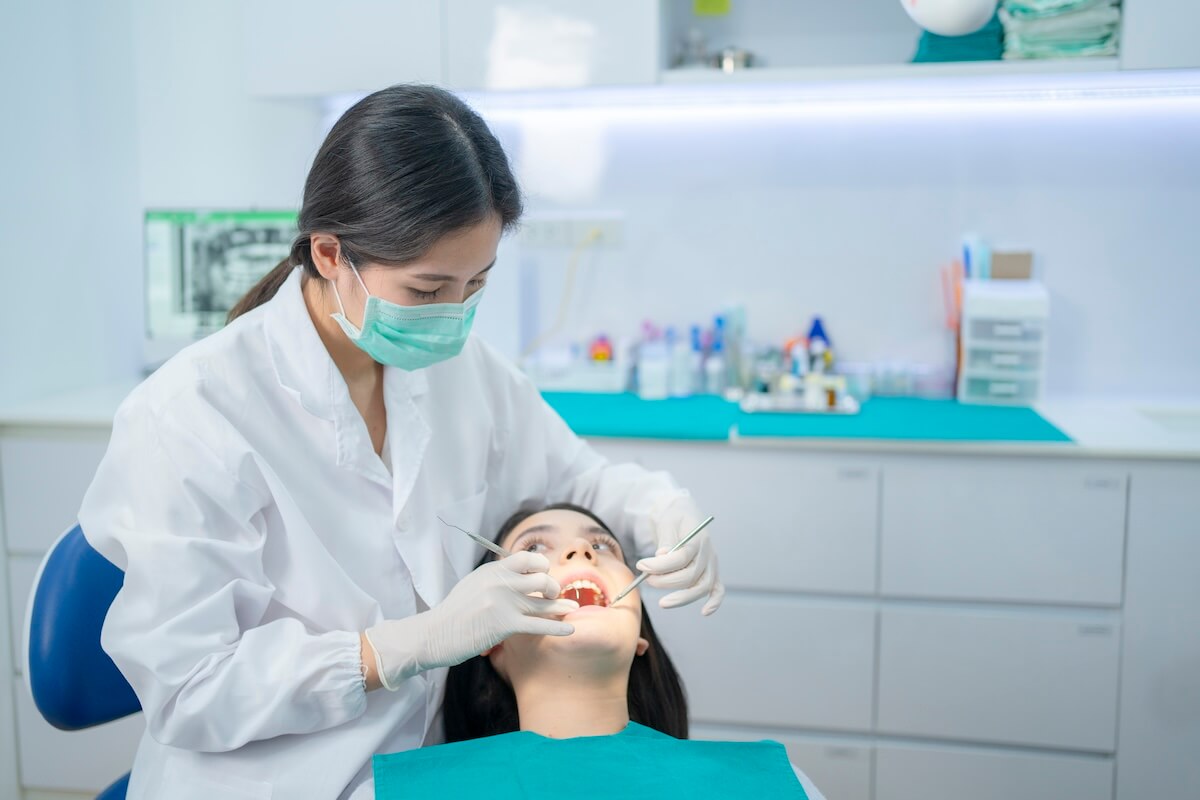
Your dentist begins by visually inspecting the chipped tooth under bright illumination. They may use a dental explorer to feel for rough edges, cracks, or soft spots that indicate enamel loss or dentin exposure.
If the area is sensitive, a local anesthetic may be applied to minimize discomfort during the examination. This ensures accurate assessment without pain or involuntary movement.
Dentists also evaluate surrounding teeth and gums to check for trauma or alignment changes. A mirror and probe help identify whether the chip affects your bite or causes uneven contact when you close your mouth.
During this stage, you might be asked to bite on thin paper strips or perform slight jaw movements. These tests help your dentist detect high points or minor fractures that could worsen if left untreated.
Severity and Type of Chip
The type and depth of the chip guide the treatment plan. Chips are typically classified as:
| Classification: Minor (Enamel) | |
|---|---|
| Description | Small surface chip without pain |
| Common Treatment | Polishing or dental bonding |
| Classification: Moderate (Dentin) | |
|---|---|
| Description | Exposes inner layer, may cause sensitivity |
| Common Treatment | Bonding or veneer |
| Classification: Severe (Pulp) | |
|---|---|
| Description | Reaches nerve tissue, often painful |
| Common Treatment | Root canal and crown |
Your dentist will test sensitivity to temperature and pressure to determine if the pulp is affected. A chipped tooth that bleeds or causes sharp pain likely involves deeper tissue.
Understanding the chip’s extent prevents unnecessary procedures and ensures structural stability. Accurate classification also helps estimate recovery time and cost.
X-Rays and Imaging
Dentists often use intraoral X-rays to examine the tooth’s root and surrounding bone. This reveals hidden fractures or pulp exposure not visible during a surface inspection.
Digital imaging provides detailed contrast, allowing your dentist to evaluate whether the crack extends below the gumline. If root damage is suspected, panoramic or cone-beam scans may be recommended.
Imaging also confirms whether a local anesthetic is needed before treatment begins. It helps plan for restorations such as crowns or veneers by mapping the tooth’s internal shape.
Accurate imaging supports early detection of complications, guiding your dentist toward the most conservative and effective repair method.
Treatment Options for Chipped Teeth
Dentists repair chipped teeth using methods that restore both function and appearance. The right treatment depends on the chip’s size, location, and the health of the remaining tooth structure.
Dental Bonding for Minor Chips
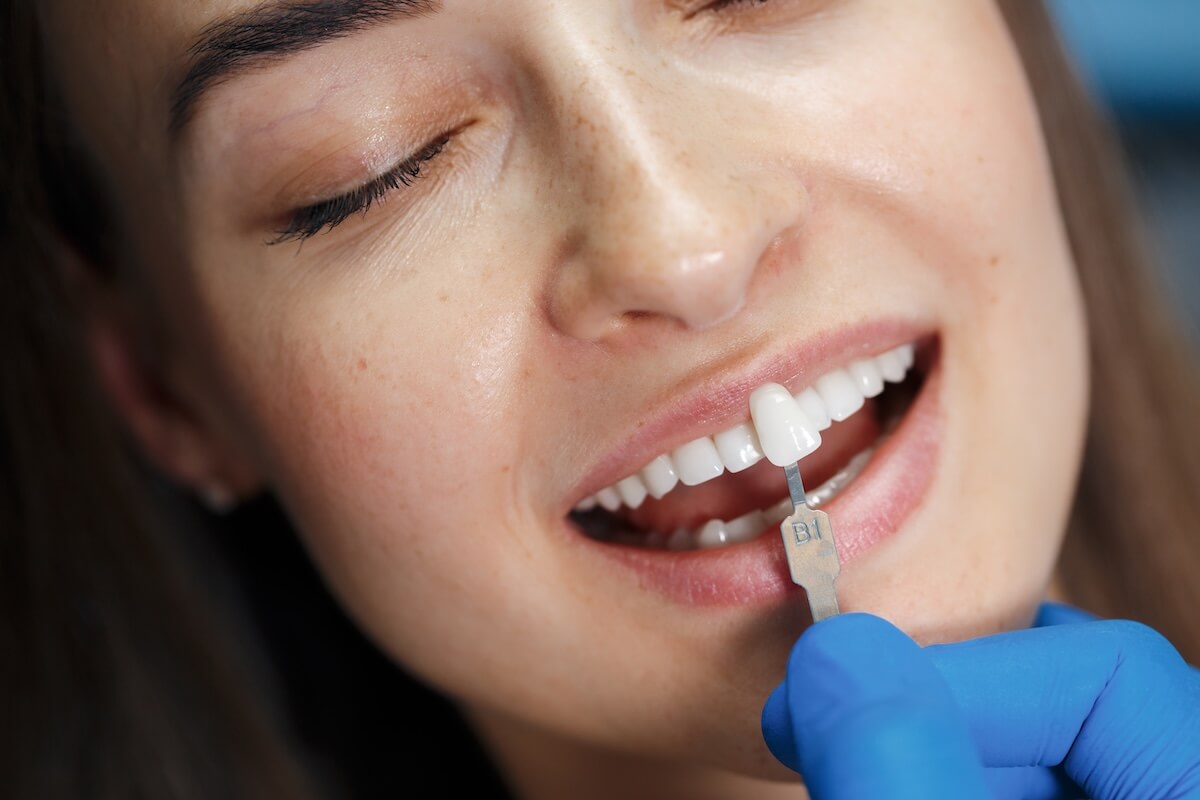
Dental bonding offers a quick and cost-effective way to fix small chips, especially on front teeth. Your dentist applies a composite resin—a tooth-colored bonding material—to the damaged area.
They begin by lightly etching the tooth surface to improve adhesion, then shape the resin to match your natural contour. A curing light hardens the material in seconds.
Bonding usually takes less than an hour per tooth and requires no anesthesia. It’s ideal for minor cosmetic repairs and can last several years with proper care. Avoid biting hard foods or ice to prevent re-chipping.
| Key Benefits: Quick procedure, usually little discomfort | |
|---|---|
| Considerations | May stain over time |
| Key Benefits: Affordable compared to crowns or veneers | |
|---|---|
| Considerations | Less durable for heavy bite pressure |
Dental Veneers for Cosmetic Repair
Dental veneers work well when larger chips affect front teeth or when you want to improve overall appearance. Veneers are thin porcelain or composite shells that cover the front surface of your tooth.
Your dentist removes a small layer of enamel to make space for the veneer. They then take an impression or digital scan to design a custom fit. The veneer is bonded using a strong adhesive and cured for stability.
Porcelain veneers resist staining and mimic natural enamel’s translucency. Composite veneers cost less but may not last as long. With good hygiene and regular checkups, porcelain veneers can last 10 to 15 years.
| Material: Porcelain | |
|---|---|
| Durability | High |
| Aesthetic Quality | Very natural |
| Material: Composite | |
|---|---|
| Durability | Moderate |
| Aesthetic Quality | Good but less translucent |
Dental Crowns for Structural Support
When a chip compromises a large portion of the tooth, a dental crown provides full coverage and protection. Crowns encase the entire visible part of the tooth, restoring strength and shape.
Your dentist first removes any decay and shapes the tooth to fit the crown. They take an impression or use digital scanning to create a precise model. A temporary crown may protect the tooth while the permanent one is made.
Crowns can be porcelain, zirconia, or metal-infused porcelain. Porcelain offers a natural appearance, while zirconia provides superior durability for molars. Properly fitted crowns can last a decade or more with routine dental care.
Enamel Shaping for Small Imperfections
For very minor chips or rough edges, enamel shaping—also called contouring—can smooth the surface without extensive treatment. Your dentist uses fine polishing tools to carefully remove a small amount of enamel, reshaping the tooth for better appearance and comfort.
This procedure usually requires no anesthesia and delivers instant results. Enamel shaping works best when the damage is superficial and does not expose dentin or affect tooth strength.
You may combine enamel shaping with bonding if the chip slightly alters the tooth’s contour. The process is conservative, affordable, and helps maintain your natural tooth structure while improving aesthetics.
Advanced Restorative Solutions
Severe chips or fractures may require advanced dental procedures that restore both function and appearance. These treatments focus on rebuilding tooth structure, protecting the nerve, and ensuring long-term durability using specialized materials and precise techniques.

Dental Implants for Severe Damage
When a tooth is too damaged to save, dental implants offer a long-term replacement. Your dentist first removes the remaining tooth structure and prepares the site under local anesthetic to ensure comfort.
A titanium post is then placed into the jawbone, serving as an artificial root. Over several months, the bone fuses with the implant through a process called osseointegration. Once healed, a custom dental crown is attached to restore normal chewing and appearance.
Implants function and look like natural teeth. They also help prevent bone loss in the jaw, which can occur after tooth loss. While the process takes time, the result is a stable and long-lasting restoration suitable for severe damage or tooth loss.
Root Canal Therapy When Needed
If a chip exposes the pulp or nerve, root canal therapy may be required to save the tooth. Your dentist begins by numbing the area with a local anesthetic and isolating the tooth to keep it dry.
They remove the infected or damaged pulp using fine instruments, then clean and disinfect the inner chamber. The space is filled with a biocompatible material to prevent reinfection.
After the root canal, a dental crown is often placed to reinforce the remaining structure. This step protects the tooth from further fracture and restores its strength for normal biting and chewing.
Root canal therapy can preserve your natural tooth and eliminate pain caused by nerve exposure or infection.
Temporary vs Permanent Restorations
Restorative treatment often involves both temporary and permanent solutions. Temporary restorations protect the tooth between appointments or while waiting for a custom crown or veneer.
| Type: Temporary | |
|---|---|
| Purpose | Protects tooth during healing |
| Duration | Days to weeks |
| Material | Acrylic or composite |
| Type: Permanent | |
|---|---|
| Purpose | Final restoration |
| Duration | Long-term |
| Material | Porcelain, zirconia, or metal alloy |
Your dentist decides which option fits your treatment plan. Temporary materials provide short-term coverage, while permanent restorations like crowns or veneers restore full function and aesthetics.
Choosing the right restoration ensures comfort, durability, and a natural appearance after a chipped tooth repair.
Aftercare and Prevention Strategies
Proper care after a chipped tooth repair maintains the strength and appearance of your restored tooth. Consistent cleaning, smart food choices, and protective habits reduce the risk of future chips and help materials like composite resin or dental veneers last longer.
Oral Hygiene Best Practices
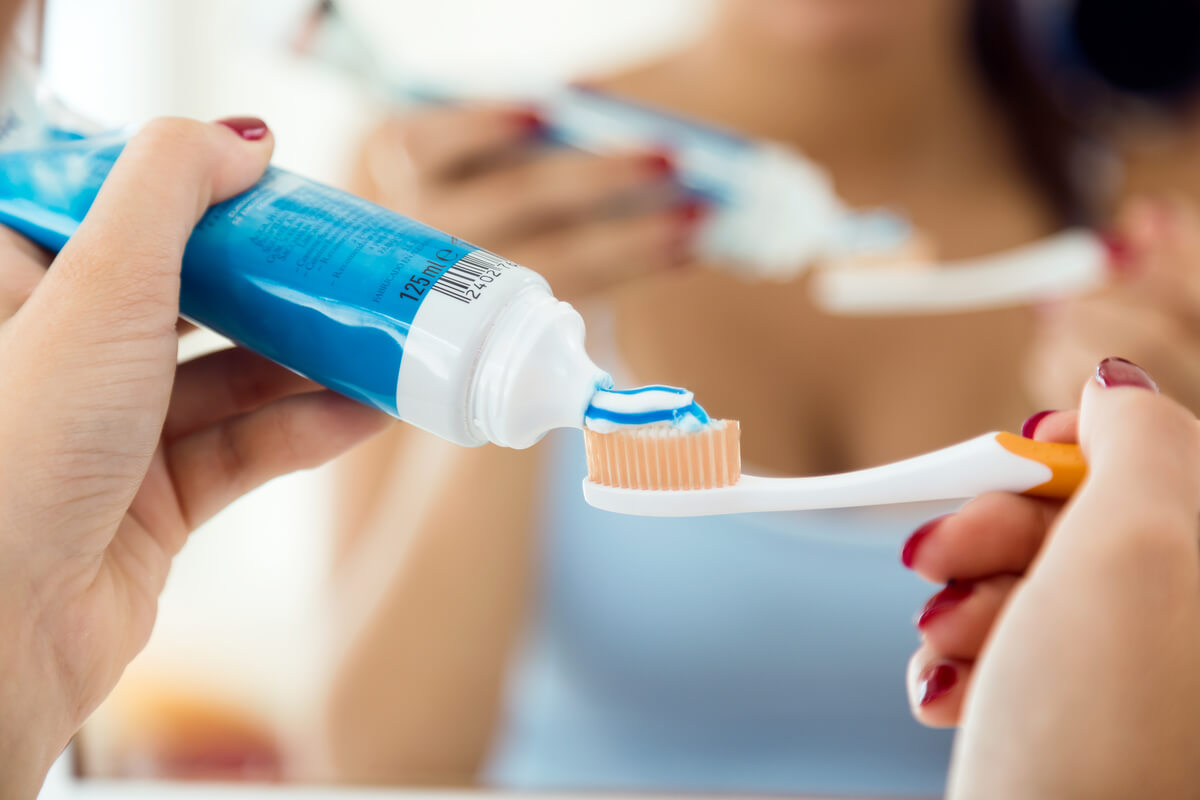
Keep your mouth clean to prevent decay and protect any dental bonding or veneer work. Brush twice daily with a soft-bristled toothbrush and fluoride toothpaste. Use gentle circular motions to avoid putting pressure on the repaired area.
Floss carefully once a day to remove plaque between teeth without tugging near the bonded surface. Rinse with an alcohol-free mouthwash to lower bacteria levels and support gum health.
Schedule professional cleanings every six months. Your dentist can check the integrity of composite resin repairs and polish minor rough edges that may form over time.
If you notice sensitivity or roughness around the restored tooth, contact your dentist promptly. Early maintenance prevents small issues from becoming larger structural problems.
Dietary Recommendations
Avoid foods that can stress or fracture repaired teeth. Hard items like ice, nuts, or hard candies can chip enamel and damage bonding materials. Cut crunchy fruits and vegetables into smaller pieces to reduce biting pressure.
Limit acidic drinks such as soda and citrus juices. Acids weaken enamel and can erode the bond between natural tooth structure and composite resin. Drink water after consuming acidic foods to neutralize pH levels.
Include calcium-rich foods like yogurt, cheese, and leafy greens in your diet. These strengthen enamel and support long-term dental health.
If you have dental veneers, avoid staining foods like coffee, tea, and red wine. Veneers resist discoloration, but the surrounding enamel can darken, creating uneven color over time.
Protecting Teeth from Future Chips
Wear a mouthguard if you grind your teeth at night or play contact sports. Custom-fit guards protect both natural teeth and restorations from impact and friction.
Avoid using your teeth as tools to open packages or bite non-food items. These habits put direct stress on enamel and dental bonding.
If you experience frequent clenching, discuss stress management or bite adjustment options with your dentist. Even small bite misalignments can contribute to chipping over time.
Regular dental checkups help identify early wear, allowing your dentist to reinforce vulnerable areas before damage occurs.