
 TH
TH EN
EN
Key Takeaways
- Tooth color changes naturally and often have simple explanations.
- Daily care and mindful habits help prevent most yellowing.
- Safe whitening options can restore brightness without harming enamel.
Yellow teeth can make you feel self-conscious, but they’re more common than you might think. Tooth color naturally varies from person to person, and slight yellowing doesn’t always mean poor hygiene. Yellow teeth often result from a mix of lifestyle choices, natural aging, and enamel thickness—not neglect. Understanding what causes discoloration helps you take the right steps to restore brightness without damaging your enamel.
You can prevent most yellowing by maintaining consistent oral hygiene, limiting stain-causing foods, and visiting your dentist regularly. When stains do appear, safe whitening treatments—both at home and in-office—can effectively lighten them. Knowing which methods actually work and which might harm your teeth makes all the difference in achieving a healthy, confident smile.
Contents
1. Understanding Yellow Teeth and Tooth Discoloration
2. Primary Causes of Yellow Teeth
3. Other Contributing Factors to Tooth Discoloration
- Genetics and Hereditary Factors
- Medications and Health Conditions
- Fluorosis and Excessive Fluoride
- Dental Trauma and Environmental Influences
4. Oral Hygiene Habits and Their Impact on Tooth Color
Understanding Yellow Teeth and Tooth Discoloration
Tooth color changes often result from a combination of surface stains, enamel wear, and the natural shade of the underlying dentin. Recognizing what affects your tooth color helps you make informed choices about prevention and whitening options.
What Makes Teeth Yellow
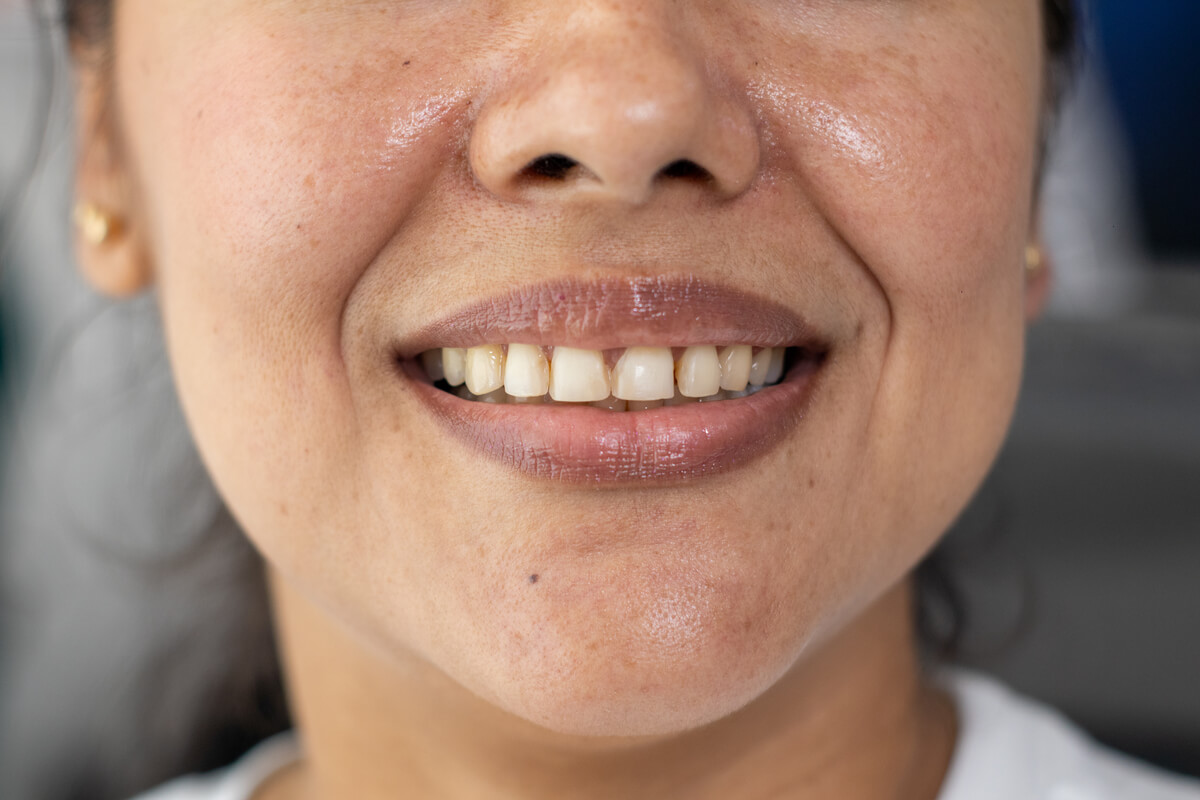
Teeth appear yellow when the enamel, the outer protective layer, thins or becomes stained. Beneath it lies dentin, a naturally yellow tissue that shows through more as enamel wears down.
Common causes include:
- Dietary habits: Coffee, tea, red wine, and dark sauces deposit pigments on enamel.
- Tobacco use: Nicotine and tar penetrate enamel pores, leaving stubborn stains.
- Aging: Enamel gradually erodes, revealing more yellow dentin.
- Poor oral hygiene: Plaque and tartar buildup trap discoloring substances.
Some medications, such as tetracycline antibiotics, can also alter tooth color during development. Even if you brush regularly, natural enamel thickness and mineral content vary, which affects how bright or yellow your teeth appear.
Types of Tooth Discoloration
Tooth discoloration falls into two main categories: extrinsic and intrinsic.
| Type: Extrinsic | |
|---|---|
| Description | Affects the enamel surface |
| Common Causes | Food, drinks, tobacco, poor brushing |
| Type: Intrinsic | |
|---|---|
| Description | Occurs inside the tooth structure |
| Common Causes | Aging, trauma, medication, excessive fluoride |
Extrinsic stains are often removable through professional cleaning or whitening products. Intrinsic discoloration involves changes within the dentin or enamel and may require bleaching or veneers for correction.
You might also notice age-related discoloration, a combination of both types. Enamel thins while dentin darkens, producing a deeper yellow or gray tone.
Natural Tooth Color Variations
Not all teeth are naturally white. The shade of dentin beneath the enamel determines your baseline color, which can range from light ivory to yellow-gray. Enamel is translucent, so its thickness and clarity influence how much dentin color shows through.
Genetics play a major role. Some people naturally have thinner enamel or more yellow dentin. Lighting, contrast with gums, and even surrounding tooth color can make teeth appear darker.
Understanding these natural variations helps you set realistic expectations. Whitening treatments can brighten enamel, but they cannot change the inherent color of your dentin.
Primary Causes of Yellow Teeth
Tooth discoloration often develops from daily habits and natural changes in your teeth’s structure. The main contributors include the pigments in foods and drinks, the effects of tobacco, and gradual enamel wear that exposes the yellow dentin beneath.

Diet and Staining Foods
Certain foods contain strong pigments that cling to your enamel. Berries, tomatoes, curry, and soy sauce are common culprits because they contain chromogens—compounds that produce color and bind to tooth surfaces. These stains become more noticeable when plaque or tartar is present.
Sugary and starchy foods also contribute indirectly. They feed bacteria that produce acids, which weaken enamel and make it easier for stains to settle. Maintaining consistent brushing and flossing reduces this buildup.
You can limit staining by eating fibrous foods like apples or celery that help scrub away residue. Rinsing or brushing soon after eating pigmented foods further minimizes discoloration.
| Common Staining Foods: Blueberries, blackberries | |
|---|---|
| Pigment Type | Natural anthocyanins |
| Preventive Tip | Rinse with water after eating |
| Common Staining Foods: Tomato sauce, curry | |
|---|---|
| Pigment Type | Carotenoids |
| Preventive Tip | Brush gently within 30 minutes |
| Common Staining Foods: Soy sauce, balsamic vinegar | |
|---|---|
| Pigment Type | Dark organic pigments |
| Preventive Tip | Use a straw or limit contact time |
Beverages and Tannins
Tannins, found in drinks like coffee, tea, and red wine, are a major cause of yellow or brown tooth stains. These natural compounds promote pigment adhesion to enamel, especially when consumed frequently throughout the day.
Acidic drinks such as sodas and sports beverages can worsen staining. They soften enamel temporarily, allowing pigments to penetrate more deeply. The combination of acidity and dark color compounds accelerates discoloration.
To reduce exposure, drink water alongside these beverages or use a straw to limit contact with your teeth. Brushing immediately after acidic drinks can damage softened enamel, so wait about 30 minutes before cleaning.
| Beverage: Black tea | |
|---|---|
| Tannin Level | High |
| Staining Potential | Strong |
| Beverage: Coffee | |
|---|---|
| Tannin Level | Moderate |
| Staining Potential | Moderate to strong |
| Beverage: Red wine | |
|---|---|
| Tannin Level | High |
| Staining Potential | Strong |
| Beverage: Cola | |
|---|---|
| Tannin Level | Low |
| Staining Potential | Moderate (due to acidity) |
Tobacco Use
Tobacco products—whether smoked or chewed—introduce tar and nicotine that create persistent yellow or brown stains. These substances seep into the microscopic pores of enamel, making the discoloration difficult to remove with brushing alone.
Smoking also reduces saliva flow, which normally helps wash away staining agents. Over time, this dryness allows pigments and plaque to accumulate more easily.
Even with good oral hygiene, continued tobacco use leads to deeper, more permanent stains. Professional cleanings and whitening treatments can lighten discoloration, but prevention through quitting or reducing tobacco use remains the most effective measure.
Aging and Enamel Wear
As you age, your enamel naturally thins from years of chewing and exposure to acidic foods. This gradual loss reveals more of the underlying dentin, which has a naturally yellow hue. The effect is subtle at first but becomes more visible over time.
Microscopic cracks and surface roughness also develop with age, trapping pigments from food and drink. Enamel erosion from brushing too hard or using abrasive toothpaste can make stains appear darker.
You can slow this process by using a soft-bristled toothbrush, fluoride toothpaste, and maintaining regular dental checkups. These steps help preserve enamel strength and reduce visible yellowing caused by dentin exposure.
Other Contributing Factors to Tooth Discoloration
Tooth color changes can occur from factors beyond daily habits or diet. Some influences come from your genetic background, medical treatments, or environmental exposures that affect how your teeth form, develop, and respond to external substances.

Genetics and Hereditary Factors
Your genes play a measurable role in how your teeth look. Genetic traits determine enamel thickness, translucency, and the natural shade of dentin beneath the surface. Thinner enamel or darker dentin can make your teeth appear naturally more yellow even with good oral hygiene.
Inherited conditions such as amelogenesis imperfecta or dentinogenesis imperfecta can alter enamel or dentin structure. These disorders may cause teeth to appear discolored, brittle, or unevenly shaded from childhood.
While you cannot change your genetic makeup, maintaining consistent oral care and consulting your dentist about professional whitening options can help manage genetic discoloration effectively.
Medications and Health Conditions
Certain medications can stain teeth internally or externally. Tetracycline and doxycycline, when taken during early tooth development, can cause gray or brown discoloration that persists into adulthood. Similarly, some antihistamines, blood pressure drugs, and antipsychotics may darken teeth over time.
Health conditions also influence tooth color. Metabolic disorders, liver disease, or treatments such as chemotherapy can alter enamel formation or pigment distribution. Reduced saliva flow from medications or illness can increase staining from food and drinks.
If you take prescription medication, ask your dentist about preventive steps. Using remineralizing toothpaste, fluoride varnish, or professional cleaning can help reduce surface staining and protect enamel integrity.
Fluorosis and Excessive Fluoride
Fluoride strengthens enamel, but excessive fluoride exposure during tooth development can lead to fluorosis. This condition causes white streaks, cloudy patches, or, in severe cases, brown mottling on the enamel surface. It usually develops in children who consume high-fluoride water or swallow toothpaste regularly.
| Severity: Mild | |
|---|---|
| Appearance | Faint white lines or spots |
| Cause Example | Slightly high fluoride intake |
| Severity: Moderate | |
|---|---|
| Appearance | Opaque white patches |
| Cause Example | Long-term overexposure |
| Severity: Severe | |
|---|---|
| Appearance | Brown stains, pitted enamel |
| Cause Example | Very high fluoride levels |
You can prevent fluorosis by supervising children’s brushing, using a pea-sized amount of toothpaste, and checking local water fluoride levels. Adults with fluorosis can benefit from whitening treatments or veneers to even out enamel color.
Dental Trauma and Environmental Influences
Physical injury to a tooth can disrupt blood flow or damage internal tissues, leading to intrinsic discoloration. A tooth that has suffered trauma may darken gradually as the pulp tissue breaks down or calcifies.
Environmental factors also contribute. Exposure to high iron, copper, or manganese levels in drinking water can cause surface staining. Long-term contact with chlorhexidine mouthwash or certain metallic dental restorations can produce gray or greenish tints.
If you experience tooth injury or notice color changes after trauma, schedule a dental evaluation. Early treatment such as root canal therapy or internal bleaching can restore a more natural appearance and prevent further discoloration.
Oral Hygiene Habits and Their Impact on Tooth Color
Consistent oral hygiene directly affects how your teeth look and feel. Daily cleaning habits, the type of toothpaste you use, and how well you remove plaque all influence whether your teeth stay bright or develop yellow or brown stains.
Role of Brushing and Flossing
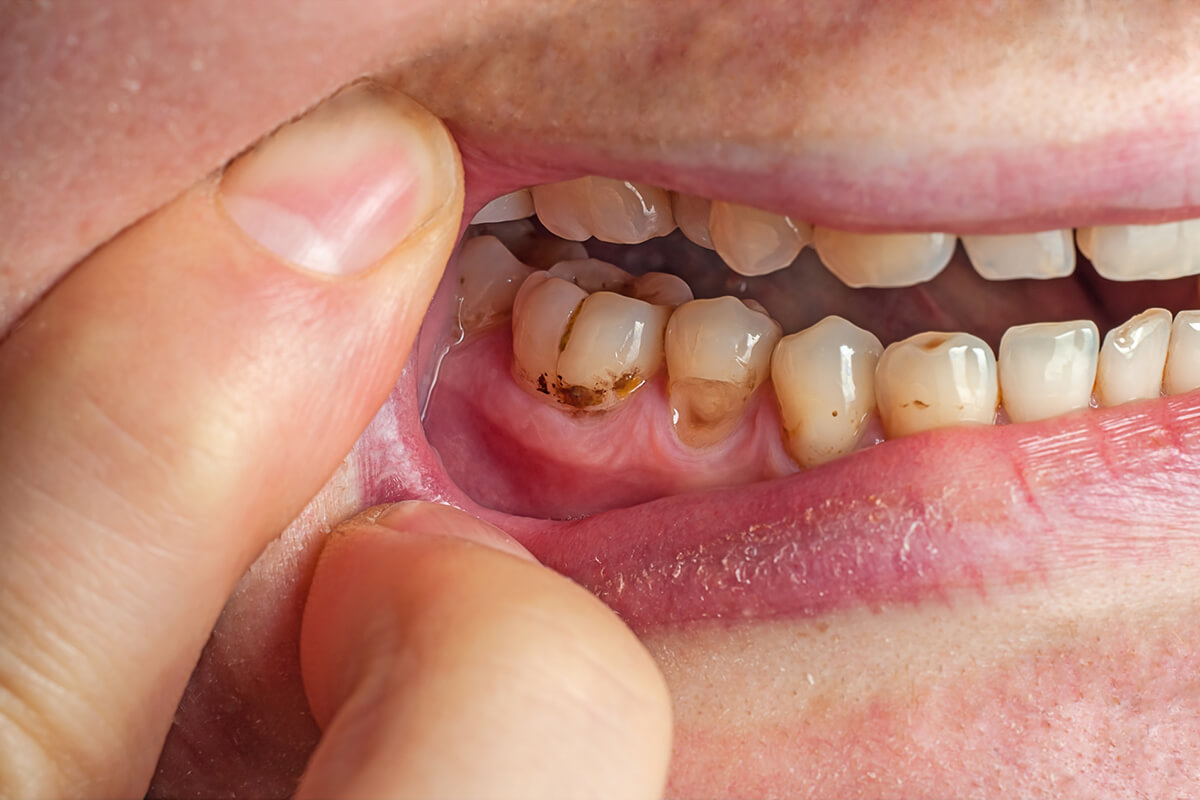
Brushing and flossing remove food particles and bacterial plaque that can dull your teeth’s natural color. When you skip these steps, pigments from coffee, tea, or tobacco stick to plaque, creating surface stains that darken over time.
Use a soft-bristled toothbrush and brush for at least two minutes twice a day. Gentle circular motions clean the enamel without wearing it down. Replace your toothbrush every three to four months or sooner if the bristles fray.
Floss once daily to clean between teeth where brushes cannot reach. Plaque left in these spaces hardens into tartar, which traps stains and makes your teeth appear yellow. Consistent brushing and flossing help maintain a smooth surface that resists discoloration.
Importance of Fluoride Toothpaste
Fluoride toothpaste strengthens enamel and helps prevent the early stages of decay that can cause uneven color. Enamel weakened by acid or plaque buildup becomes more porous, allowing stains to penetrate deeper.
Choose a fluoride-containing toothpaste approved by dental associations. It helps remineralize enamel by attracting calcium and phosphate, restoring the tooth’s surface structure. This process makes your teeth more resistant to staining and erosion.
Avoid abrasive whitening pastes used too often, as they can wear enamel and make discoloration worse. If you have sensitive teeth, use a mild fluoride formula designed for daily use. Regular use of fluoride toothpaste supports both tooth color and long-term oral health.
Plaque and Tartar Buildup
Plaque is a soft film of bacteria that forms on teeth after eating or drinking. If not removed through brushing and flossing, it hardens into tartar, a rough deposit that traps pigments from food and tobacco.
Tartar appears yellow or brown and cannot be removed by home care alone. Only professional dental cleaning can safely remove it. When tartar builds up, it roughens the enamel surface, making future stains more likely.
Good oral hygiene habits—brushing, flossing, and routine dental visits—keep plaque under control and prevent tartar accumulation. This reduces discoloration and helps your teeth maintain a cleaner, more natural shade.
Prevention Strategies for Yellow Teeth
Maintaining the natural color of your teeth depends on consistent oral hygiene, mindful eating and drinking habits, and regular professional care. By protecting enamel, managing stain exposure, and addressing buildup early, you can reduce discoloration and support long-term oral health.
Daily Dental Care Routines
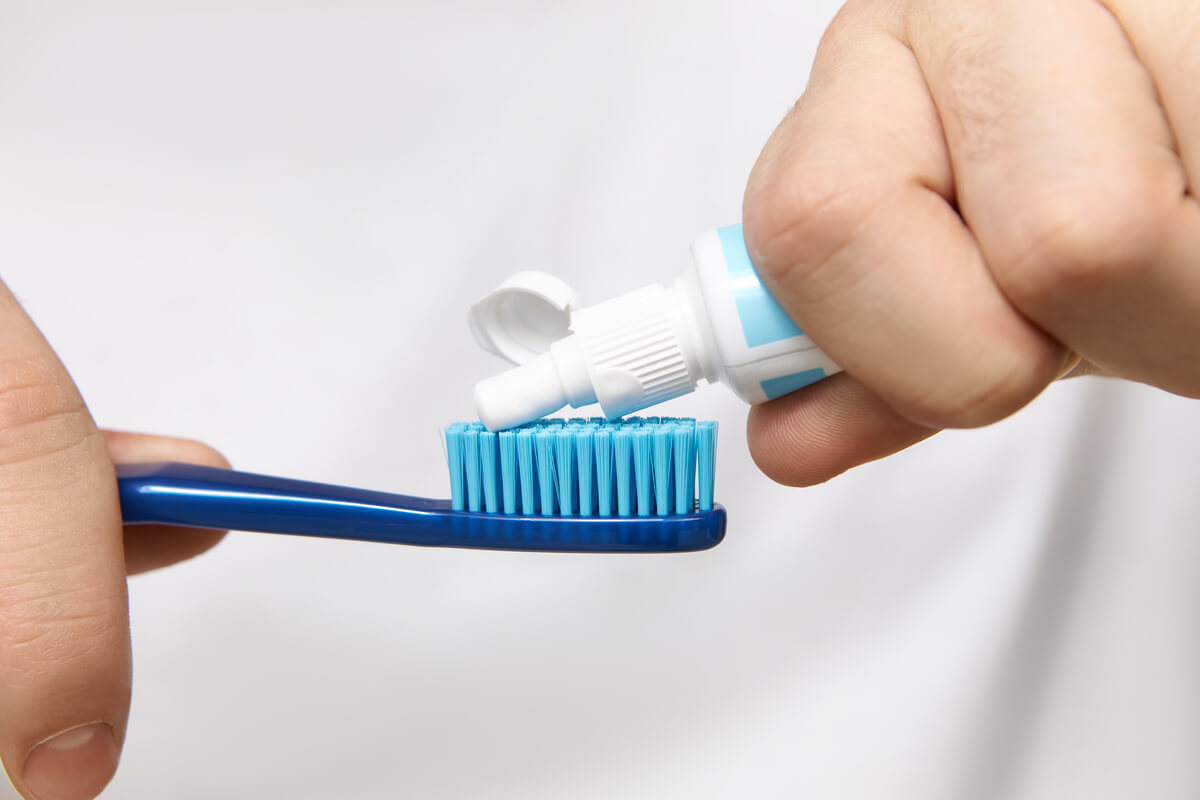
Good dental care habits help prevent yellowing before it starts. Brush twice daily with a fluoride toothpaste to remove plaque and surface stains. Use a soft-bristled toothbrush to avoid enamel wear, and replace it every three to four months.
Floss once a day to remove food particles and plaque between teeth where brushing cannot reach. Follow with an antibacterial mouthwash to reduce bacteria that contribute to plaque buildup.
If you use whitening toothpaste, choose one approved by dental professionals to ensure it is safe for enamel. Avoid overuse of abrasive products, as they can thin enamel and expose the yellow dentin underneath.
Keep a consistent routine—especially before bedtime—because plaque and acids can cause more damage overnight.
Dietary and Lifestyle Changes
Certain foods and drinks stain teeth more easily. Coffee, tea, red wine, dark sodas, and curry-based foods contain pigments that attach to enamel. Limiting these or rinsing your mouth with water after consumption helps reduce staining.
Use a straw when drinking dark beverages to minimize contact with teeth. Eat crunchy fruits and vegetables like apples and carrots that naturally scrub the enamel surface.
Tobacco use is one of the leading causes of yellow teeth. Quitting smoking or chewing tobacco prevents deep stains and improves overall oral health.
Stay hydrated with water throughout the day to wash away food particles and acids. Reducing sugary and acidic foods also helps protect enamel from erosion.
Regular Dental Checkups
Professional cleanings remove plaque and tartar that brushing and flossing cannot eliminate. Schedule dental visits every six months or as recommended by your dentist.
During these checkups, your dentist can identify early signs of enamel wear, gum disease, or staining. Addressing these issues early helps maintain your teeth’s natural shade and structural integrity.
Ask your dentist about custom whitening trays or safe in-office treatments if discoloration persists. Routine professional care ensures your daily efforts remain effective and supports a bright, healthy smile.
Whitening Solutions and Treatment Options
You can choose from several safe and effective ways to whiten your teeth depending on your goals, budget, and level of discoloration. Each method works differently, from professional bleaching to cosmetic restorations, and understanding these options helps you make an informed decision about your dental care.
Professional Teeth Whitening
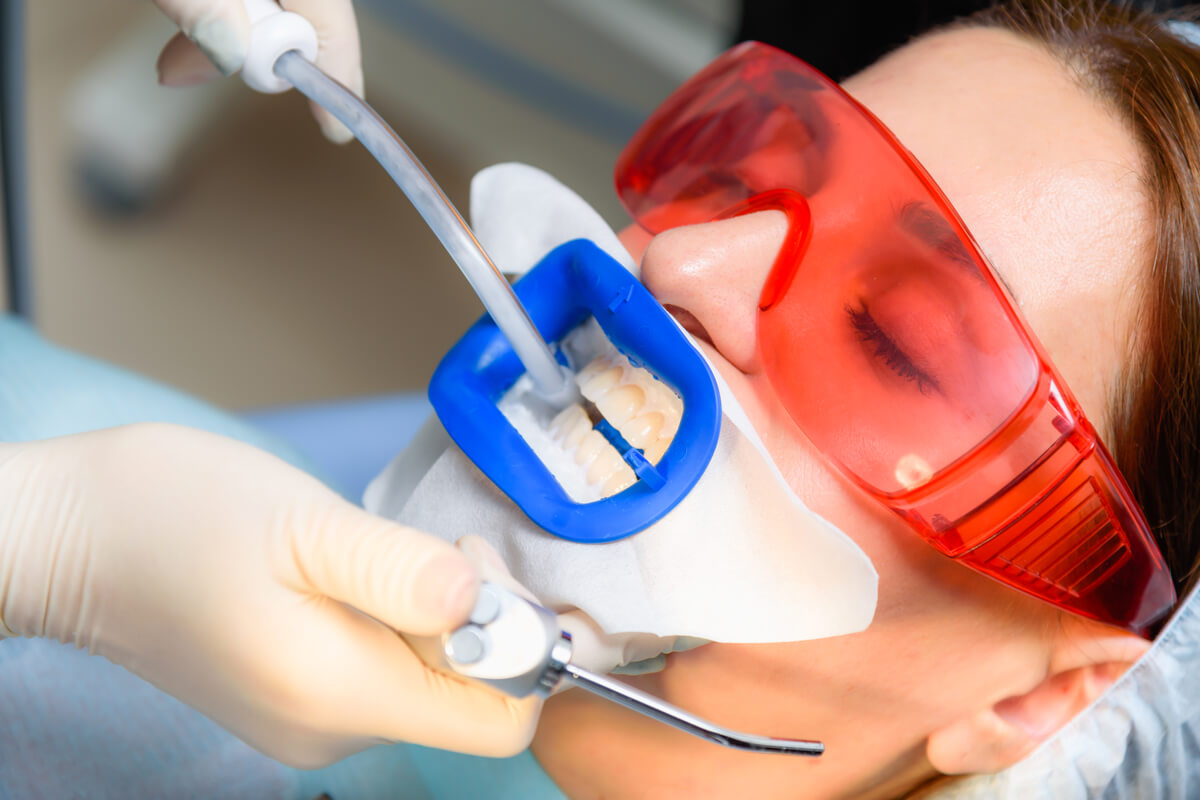
Professional teeth whitening performed by a dentist offers the most controlled and predictable results. Your dentist applies a high-concentration bleaching agent, usually hydrogen peroxide or carbamide peroxide, under carefully monitored conditions.
The process typically takes about an hour in the dental office. Some systems use light or laser activation to accelerate whitening, though results depend more on the chemical concentration and exposure time than the light itself.
You can expect your teeth to lighten several shades after one or two sessions. Dentists may also provide custom trays for at-home use to maintain brightness. Professional treatment minimizes gum irritation and uneven whitening, which are more common with over-the-counter kits.
At-Home Whitening Methods
At-home whitening allows you to brighten your smile gradually using dentist-provided or store-bought products. Custom whitening trays from your dentist fit your teeth precisely, ensuring even coverage and reduced sensitivity.
Over-the-counter kits use lower-strength peroxide gels or strips. These can be effective when used consistently, but results take longer and may vary depending on the product’s formulation and how well it adheres to your teeth.
You should always follow instructions carefully to avoid enamel damage or gum irritation. Avoid using unverified “natural” remedies such as lemon juice or baking soda, which can erode enamel over time.
Whitening Toothpaste and Bleaching Agents
Whitening toothpaste helps remove surface stains caused by coffee, tea, or tobacco through mild abrasives and chemical polishing agents. It does not change the intrinsic color of your teeth but can help maintain results after professional whitening.
Some toothpaste formulas include low concentrations of bleaching agents like hydrogen peroxide for mild brightening effects. Use these products consistently but avoid overuse, as excessive abrasion may wear down enamel.
For deeper discoloration, your dentist may recommend a take-home bleaching gel or professional-grade product. These deliver more noticeable results while still being safe under dental supervision.
| Type: Whitening toothpaste | |
|---|---|
| Main Ingredient | Mild abrasives |
| Best For | Surface stains |
| Notes | Daily maintenance |
| Type: Peroxide gel | |
|---|---|
| Main Ingredient | Hydrogen or carbamide peroxide |
| Best For | Deeper stains |
| Notes | Use with trays |
| Type: Polishing paste | |
|---|---|
| Main Ingredient | Silica or alumina |
| Best For | Coffee/tea stains |
| Notes | Gentle stain removal |
Dental Veneers and Cosmetic Treatments
When whitening alone cannot correct discoloration—such as with intrinsic stains or enamel defects—dental veneers offer a long-term cosmetic solution. Veneers are thin porcelain or composite shells bonded to the front of your teeth to improve color, shape, and alignment.
Your dentist customizes veneers to match your natural tooth shade or create a brighter appearance. They resist staining better than natural enamel and can last 10–15 years with proper care.
Other cosmetic options include bonding or microabrasion, which address localized discoloration or surface irregularities. These treatments provide an alternative when bleaching is ineffective or unsuitable for your dental condition.