 TH
TH EN
ENDental Bridge
Dental bridges naturally replace lost teeth, restoring chewing function and aesthetic confidence.


Dental bridges naturally replace lost teeth, restoring chewing function and aesthetic confidence.


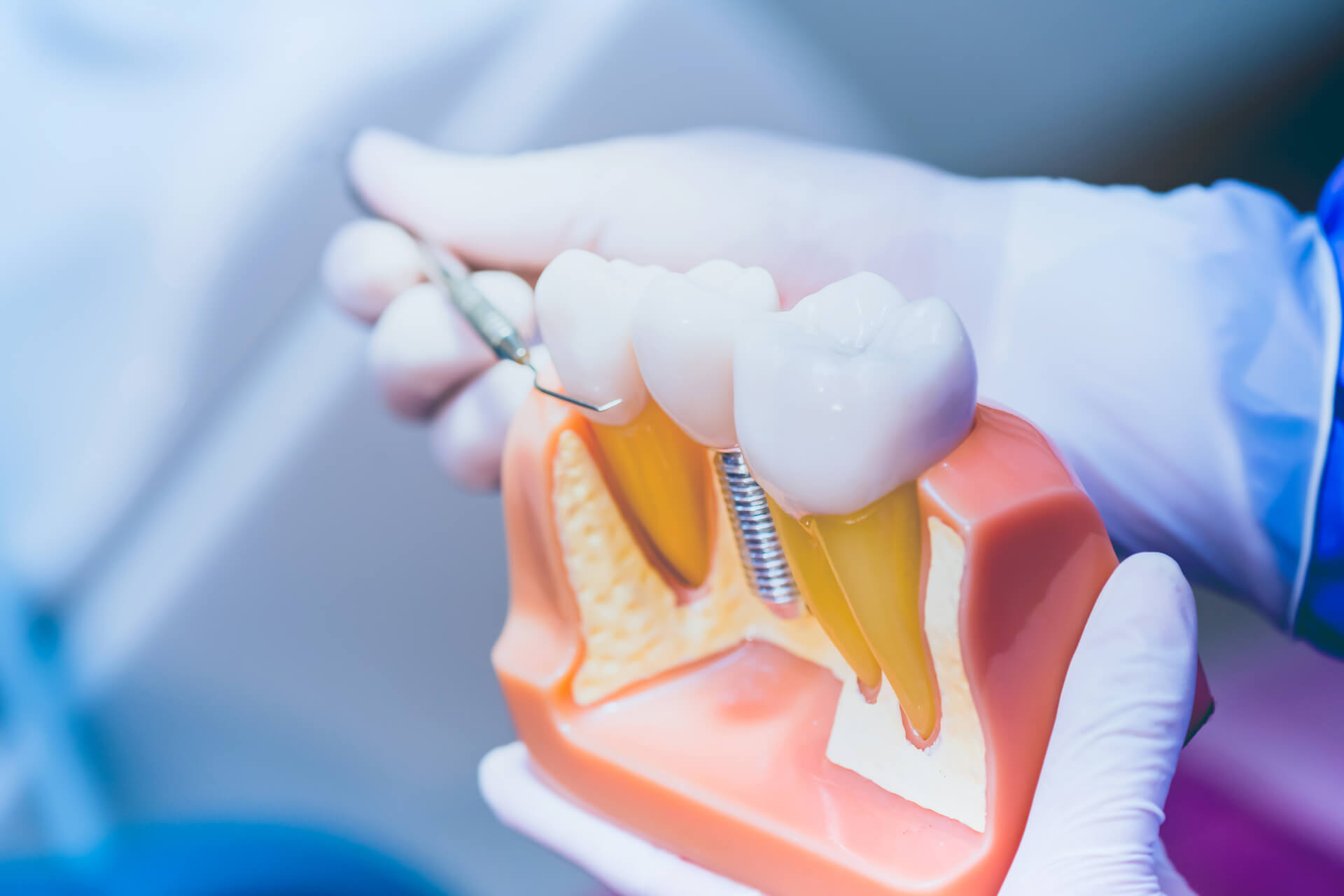
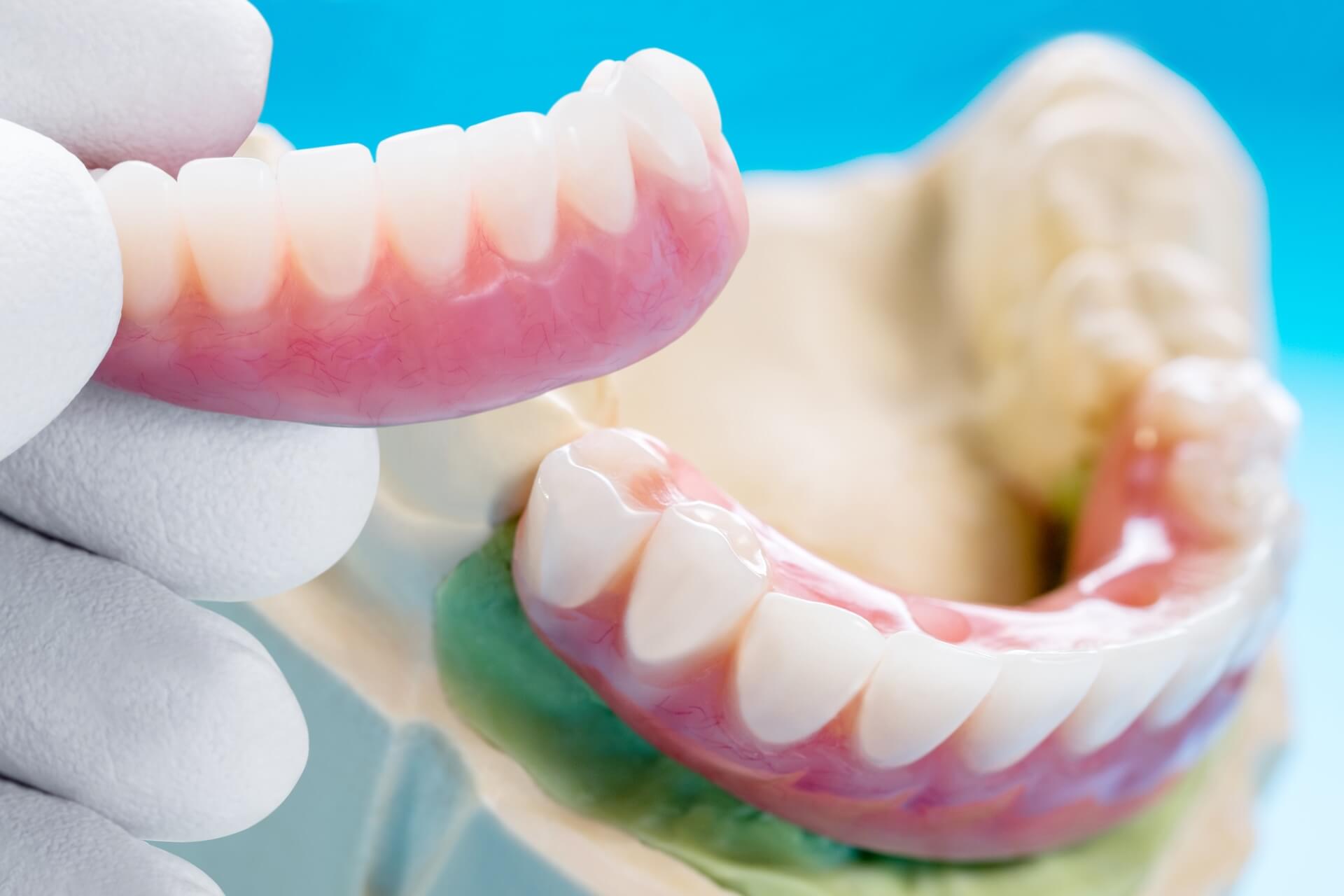
When a tooth is lost, the gap created is not just an aesthetic issue. It can also cause adjacent teeth to tilt into the space, leading to bite irregularities and other subsequent problems. A “Dental Bridge” is a tooth replacement method that uses a false tooth attached to dental crowns. These crowns are placed over the strong adjacent teeth, acting as pillars for the bridge. It is a long-established, accepted method for restoring lost teeth quickly and effectively.

We offer various types of dental bridges and materials to best suit the location of the missing tooth and your specific needs.

Dr. Ticha Thongrakard
Education

Dr. Salinporn Srijesdapun
Education

Dr. Worrawan Sungjittawisutthi
Education
Crown & Bridge
Starts at 10,000 – 25,000 THB/Tooth
Core/Post
Starts at 4,000 – 5,000 THB/Tooth
Dental bridges are a good option for:
The dental bridge procedure is similar to getting a crown. Generally, it requires 2 appointments.
Don’t let gaps from missing teeth affect your life and confidence. Dental bridges are a proven method to restore function and aesthetics quickly and effectively. At SMILE AND SHINE, we meticulously design every bridge to fit perfectly and harmonize with your teeth. Schedule a consultation with us today to find the right solution for you.
Deciding on the right tooth replacement method for you is important. We have compiled frequently asked questions about dental bridges to provide information to help you make your decision.
On average, dental bridges have a lifespan of about 5-15 years, or potentially longer if excellent hygiene is maintained and the anchor teeth remain strong.
Care is not complicated but requires special attention. In addition to regular brushing, it is necessary to use auxiliary tools such as floss specifically for bridges (Superfloss) or interdental brushes to clean the area underneath the artificial tooth connected to the bridge.
The main difference is the attachment principle. A dental bridge relies on adjacent teeth as anchors, which requires grinding down those teeth. In contrast, a dental implant involves embedding material into the bone to directly replace the tooth root, so it does not affect the adjacent teeth at all.
During the tooth preparation process for the anchor teeth, the dentist will administer a local anesthetic, so you will not feel any pain during the procedure.
This is one of the significant risks of dental bridges. If hygiene is not maintained well enough and an anchor tooth decays, it can cause the entire bridge to fail and require removal for treatment. Therefore, maintaining cleanliness is the most important thing.
You can easily find directions to our dental clinic via the Google Maps application.